


Home Healthcare and the Future of Aging: Why 90% of Primary Care Belongs at Home
Private. Equipped.
At your door.
_1787238367952-d1mTKZIu.png)
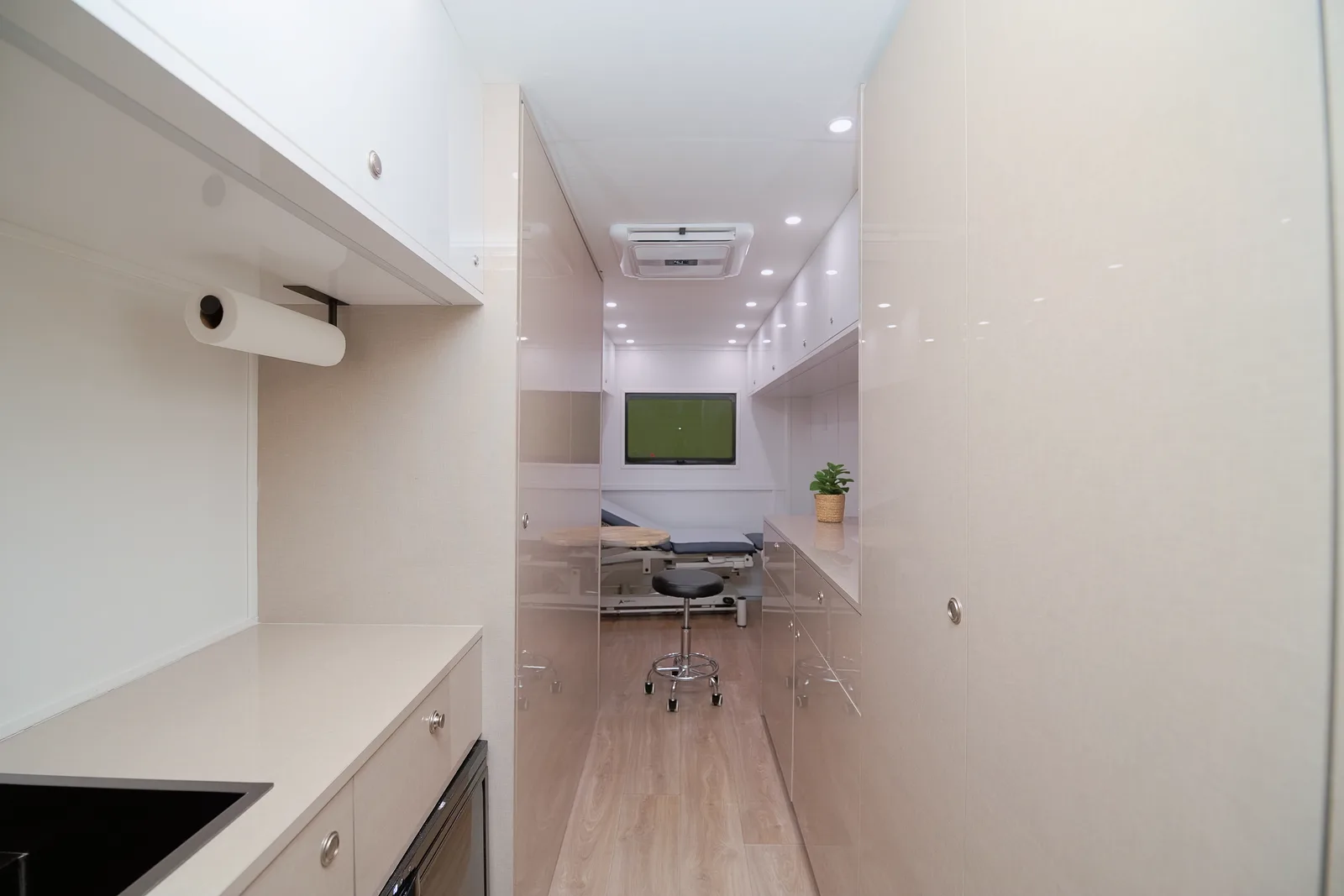
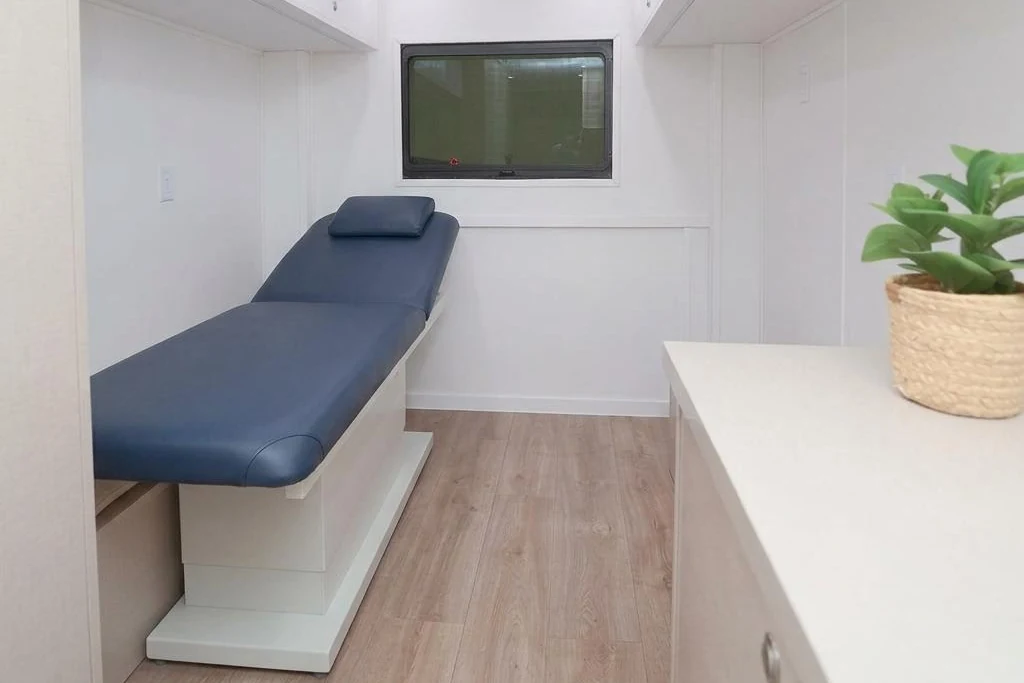
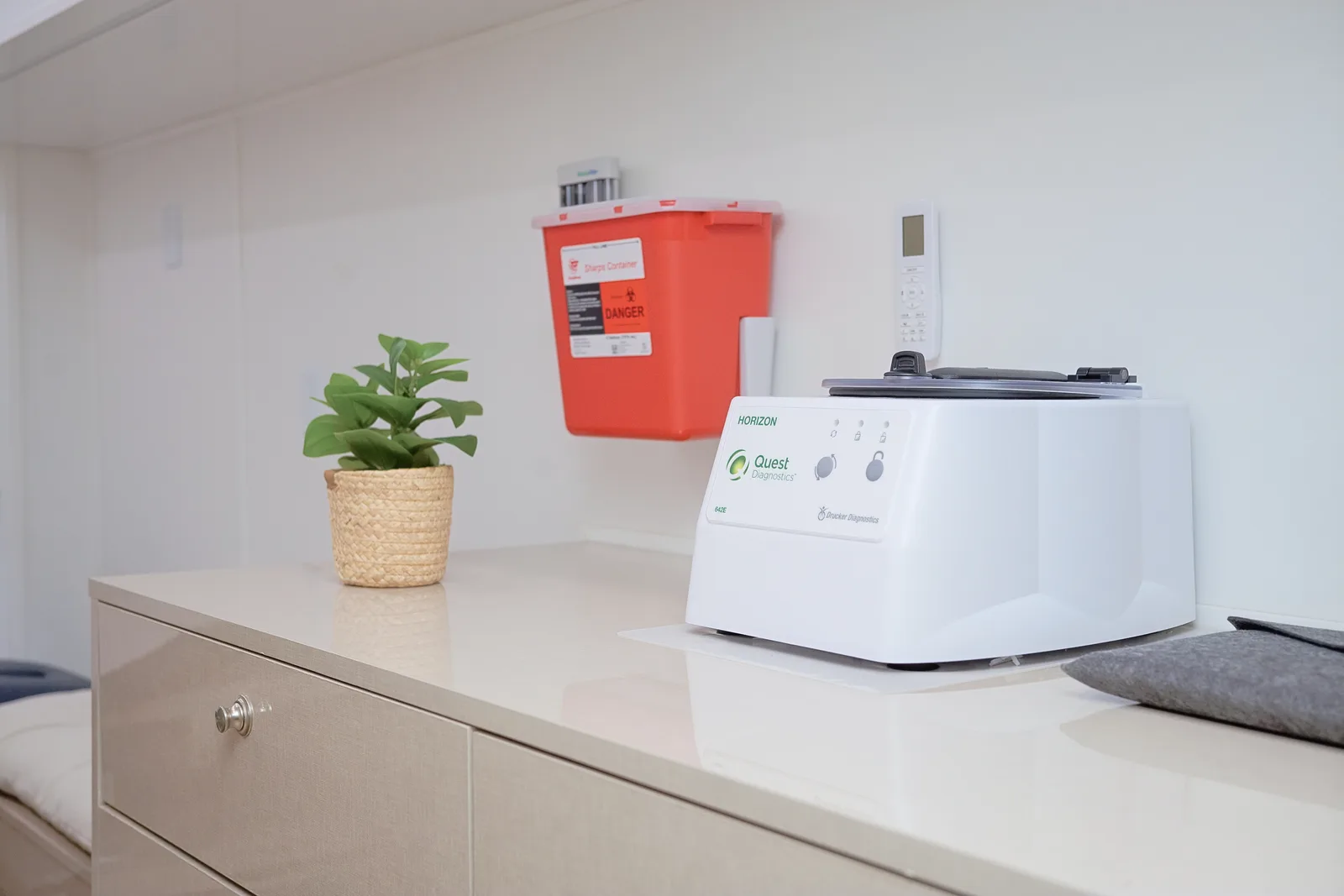
TL;DR: Around 98% of older adults want to age in their own homes, and geriatricians estimate that 90–95% of what happens in a primary care office can be done at home. Yet our system still pushes frail seniors into traditional medical offices, ERs, and nursing homes. PrimeCare VIP closes that gap with concierge house calls, a Mobile Medical Office, telehealth, and 24/7 provider access — all for one flat monthly rate.
The 98% Nobody Talks About
Ask almost any older adult where they want to spend their later years and the answer is the same: at home. AARP's national survey puts the figure at roughly 98% of adults age 50+ who want to remain in their current home or community as they age.
Yet the way American medicine is organized works against that wish. Appointments are 15 minutes long, scheduled weeks out, and located in buildings that are hard to reach when you're frail, on oxygen, or recovering from a fall. The Commonwealth Fund consistently ranks the U.S. last among high-income nations on access and equity — and older adults feel that gap most acutely.
A recent Mayo traditional medical office Aging Forward episode with Dr. Jeffrey Kang made the point bluntly: when you bring care to the patient instead of dragging the patient to the care, you get more honest conversations, better data, and far less suffering.
What "90% of Care at Home" Actually Means
Most people picture a house call as a quick check-in — taking a temperature, glancing at a chart, leaving a prescription. The reality is far broader. The American Academy of Family Physicians confirms that home-based primary care can include nearly the entire scope of an office visit:
- Full history and head-to-toe physical exam
- Blood draws and lab orders
- EKGs and basic point-of-care testing
- Wound care, suture removal, and minor procedures
- Medication reconciliation across every specialist
- Cognitive and fall-risk assessments in the actual environment where falls happen
That last point is what makes home care so powerful. A geriatrician sitting in your living room can see the loose rug, the dim hallway, the expired pill bottles in the cabinet, and the empty fridge — none of which show up on a traditional medical office intake form.
Why the System Pushes Seniors Out of Their Homes
If home care is so effective, why isn't it the default? Two answers:
1. Insurance reimburses volume, not value. A traditional office can churn through 25+ patients per day. A doctor doing house calls might see four. Fee-for-service Medicare has historically punished the second model, even though the National Institute on Aging and CMS both acknowledge home-based care reduces hospitalizations.
2. Custodial care isn't covered. Bathing, dressing, toileting, meal prep — what clinicians call Activities of Daily Living — are usually paid out of pocket. When families can't afford 24/7 personal care, a nursing home becomes the default, even when the medical needs would otherwise be manageable at home.
The result: roughly five million Americans could benefit from in-home medical care, but only a fraction receive it.
The Hidden Cost: Fragmented, Specialty-Heavy Care
A frail 80-year-old with seven chronic conditions today might see a cardiologist, nephrologist, endocrinologist, neurologist, primary care doctor, and two specialists you've never heard of — none of whom talk to each other. JAMA Internal Medicine has documented for years how this fragmentation drives medication errors, duplicate testing, and avoidable hospital admissions.
Concierge medicine flips that script. One physician owns the whole picture, coordinates the specialists, and stays with you across every setting — traditional medical office, hospital, home, even hospice. That's the model PrimeCare VIP was built on. Learn more about how we deliver concierge medicine and why it works especially well for seniors and complex patients.
House Calls Are Back — and They Belong in Concierge Medicine
The pandemic accelerated something geriatricians already knew: the safest, most dignified place to deliver primary care is often at home. Today, real house calls are returning — not as a luxury extra, but as the cornerstone of how good medicine should be practiced.
Within PrimeCare VIP, that looks like:
- A board-certified physician or nurse practitioner at your front door — same-day or next-day for members
- A fully equipped Mobile Medical Office for in-home labs, EKGs, IV therapy, and minor procedures
- 24/7 direct-to-provider phone and text access, so you never wait on hold
- Care coordination with every outside specialist, hospital, and pharmacy
For Hero Healthcare members, all of this comes with $0 copays — see the details on our Hero Healthcare partnership.
What a PrimeCare VIP Visit Looks Like at Home
A typical concierge house call runs 45 to 60 minutes — roughly four times longer than a rushed traditional medical office appointment. Your provider arrives with everything needed for a full primary care visit: stethoscope, otoscope, BP cuff, pulse oximeter, glucometer, EKG, lab kits, and a printer for prescriptions and orders.
During the visit your provider will:
- Review every medication you and your loved ones are taking — including OTCs and supplements
- Walk through the home to flag fall hazards and accessibility issues
- Perform the same physical exam you'd get in a traditional medical office
- Draw blood or run point-of-care tests on the spot
- Coordinate with cardiology, neurology, or any specialist already in your circle
- Leave a written care plan the whole family can read
This is what aging in place actually looks like when it's done well — not crisis-driven ER visits, but a steady relationship with one team that knows your story.
Planning Ahead: Conversations to Have Today
Dr. Kang's most important advice on the Mayo podcast wasn't medical — it was practical. Have the conversation early. Don't wait until a fall, a stroke, or a new diagnosis forces a rushed decision in a hospital hallway.
A few questions to start with this week:
- Where do you (or your parent) want to live in your 80s and 90s?
- Who is the primary decision-maker if you can't speak for yourself? Is that documented?
- What does "a good day" look like at age 90 — and what care would protect that?
- If 24/7 personal care became necessary, how would you fund it?
Then build the medical team that actually supports those wishes. A concierge primary care relationship — established years before you "need" it — is one of the highest-leverage decisions a family can make. Compare what's included in our membership pricing to a year of fragmented copays and ER visits, and the math usually answers itself.
The PrimeCare VIP Difference
Aging well at home isn't a luxury reserved for the wealthy — it's a model of care that should be standard. PrimeCare VIP brings that model to families across South Florida with one flat monthly membership: unlimited house calls, a Mobile Medical Office, telehealth, in-home labs, and 24/7 direct access to your provider. No copays. No surprise bills. No waiting rooms.
If you're caring for an aging parent — or planning ahead for yourself — let's talk about what concierge care at home could look like for your family. View our membership plans or schedule a free 15-minute consult and we'll walk you through it personally.
Inspired by Mayo traditional medical office Press, " Home Healthcare and the Future of the Industry," Aging Forward podcast with Dr. Christina Chen and Dr. Jeffrey Kang.
