


Same-Day Urgent Care at Home: What to Expect and Why It Works
Private. Equipped.
At your door.
_1787238367952-d1mTKZIu.png)
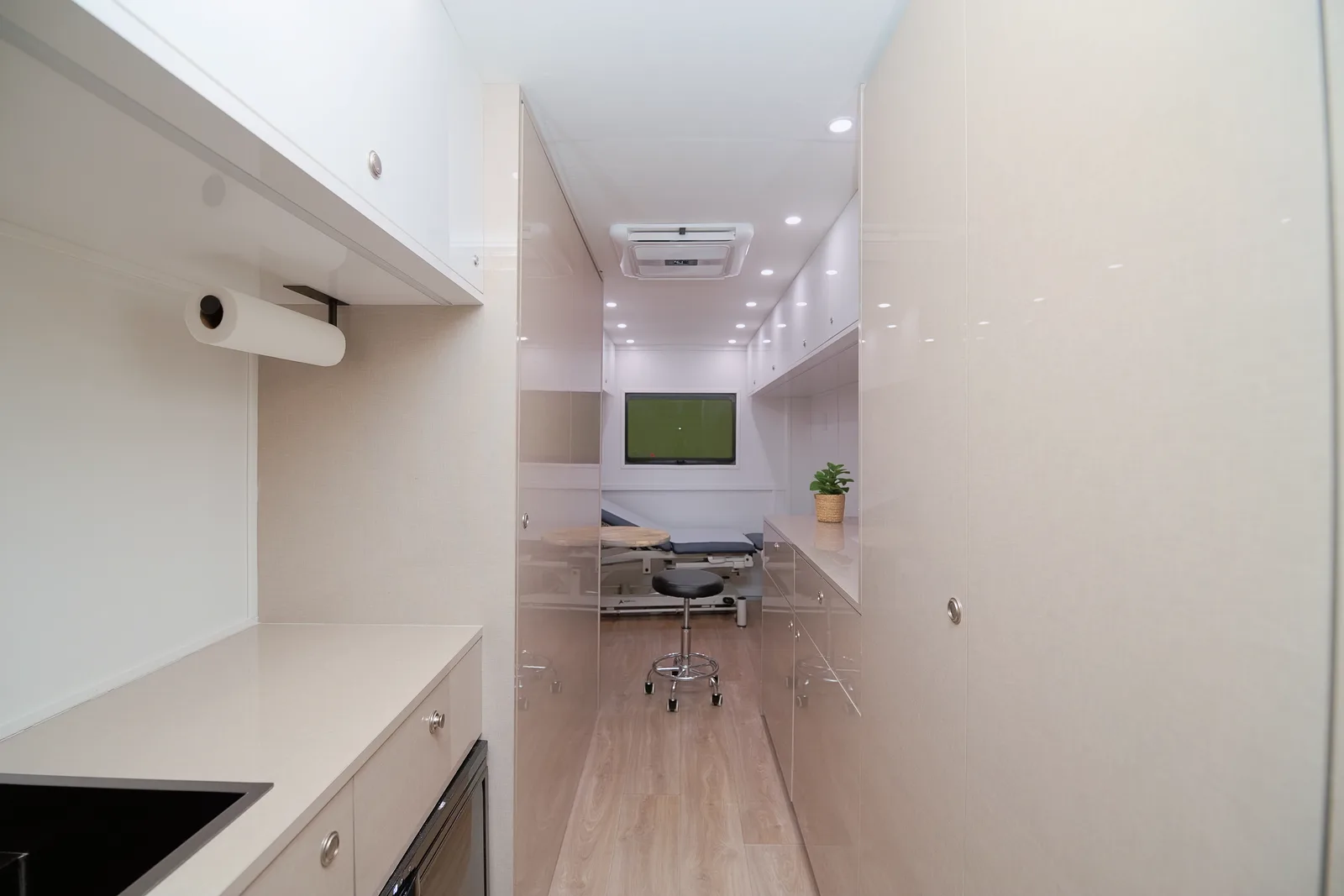
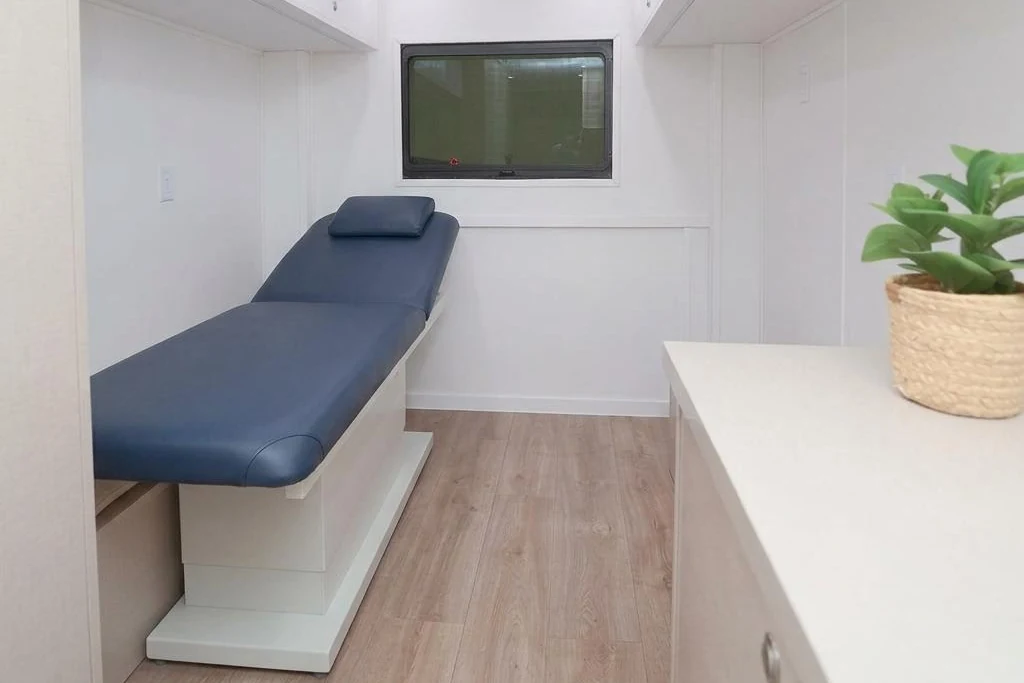
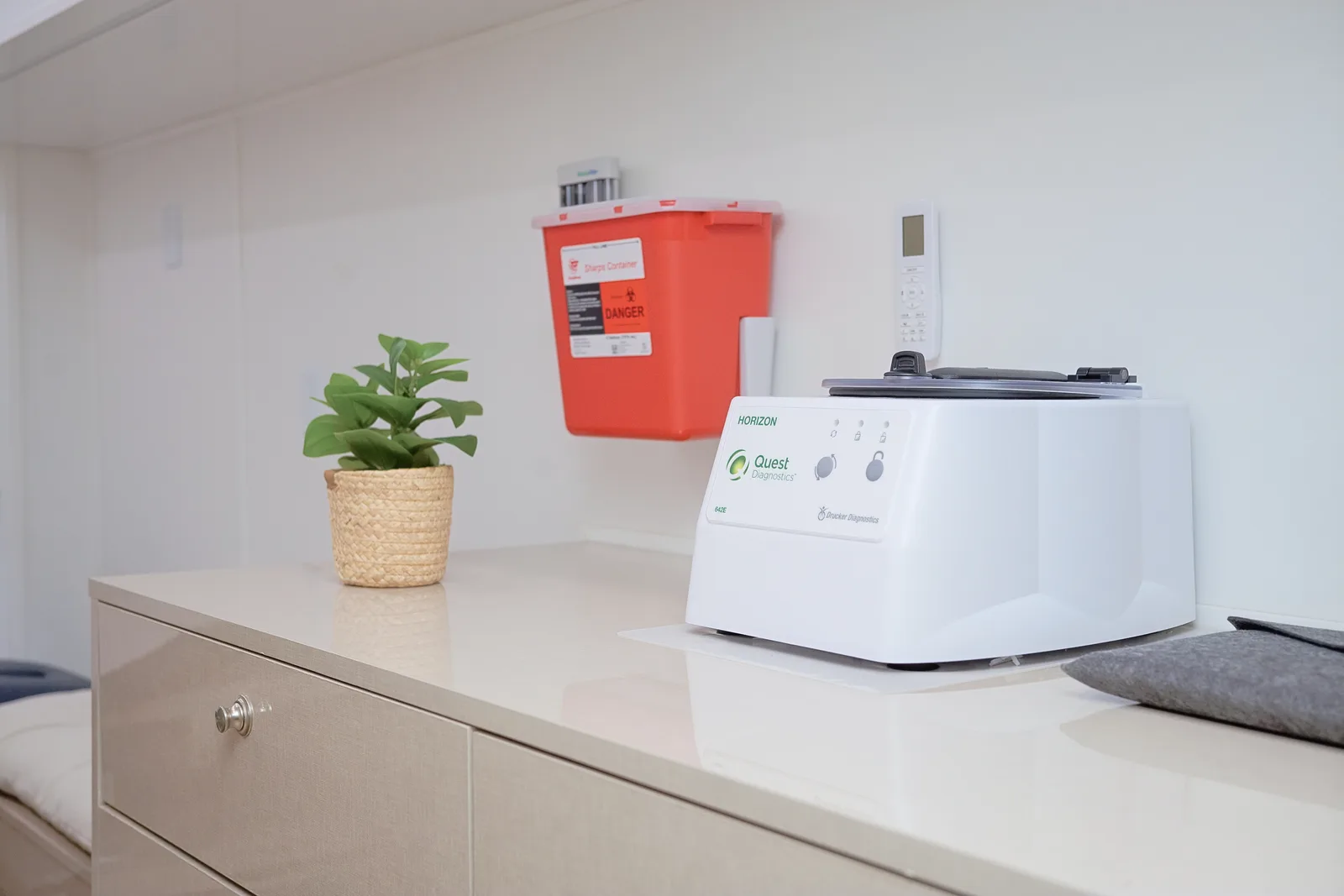
You wake up with a pounding sinus headache, or your child spikes a fever on a Tuesday afternoon, or you're in town for a conference and suddenly feel like you're coming down with strep. The last thing you want to do is sit in a crowded waiting room under fluorescent lights for two hours — especially when it's 92 degrees outside and you have a full day ahead.
That's exactly why same-day urgent care at home exists. And for patients in Palm Beach, Broward, Miami-Dade, and the Orlando metro, it's becoming the preferred way to handle illnesses that need attention now — not tomorrow, and certainly not after a long wait.
What Counts as "Same-Day Urgent Care"?
Urgent care covers the space between a scheduled primary-care visit and a true emergency room situation. If it's life-threatening — chest pain, difficulty breathing, stroke symptoms — call 911. But for everything in between, a house-call physician can often handle it right where you are.
Common conditions treated at home include:
- Sinus infections and upper respiratory illness
- Ear infections (in adults and children)
- Strep throat and tonsillitis
- Urinary tract infections
- Flu and COVID-19 evaluation and treatment
- Skin rashes, minor allergic reactions, and insect bites
- Mild to moderate asthma flares
- Dehydration and GI illness
- Sprains, minor injuries, and wound care
- Migraine management
In South Florida, heat-related illness is also something we see more than most parts of the country — especially during summer months when even a short time outdoors can leave someone feeling dizzy, nauseated, and depleted. Having a physician come to you means you can stay cool and start recovering faster.
How the Process Actually Works
One of the most common questions patients ask is: Is it really that simple? The honest answer is yes — when you're working with a well-organized concierge practice, same-day care at home is remarkably straightforward.
Here's the typical flow:
- You reach out — through a patient portal, app, or direct line to your care team — and describe what's going on.
- A physician is dispatched to your home, office, or hotel room, usually within hours.
- Your doctor arrives with a medical bag equipped for a full evaluation: stethoscope, otoscope, diagnostic tools, and rapid tests for common illnesses like flu, strep, and COVID-19.
- Treatment begins on the spot — including prescriptions sent electronically to your preferred pharmacy, IV fluids if needed, or a referral for imaging if the situation warrants it.
- You follow up with the same physician, not a stranger at a walk-in traditional medical office.
That last point matters more than people realize. Continuity of care — seeing the same doctor who already knows your health history, your medications, and your preferences — leads to better outcomes and fewer miscommunications.
Why Waiting Rooms Are a Bigger Problem Than You Think
Beyond the obvious inconvenience, urgent care waiting rooms carry real drawbacks. When you're already feeling ill, sitting in a shared space exposes you (and others) to additional germs. For immunocompromised patients, elderly individuals, or young children, this risk is meaningful.
Orlando's hotel and resort corridors are another unique setting where house-call care shines. Visitors who fall ill while traveling don't always know where to turn, and navigating an unfamiliar healthcare system while feeling unwell is stressful. Having a board-certified physician come directly to your hotel room is a level of care most travelers never knew was available — until they experience it.
The Concierge Difference in Urgent Situations
Not all house-call services are created equal. What sets a true concierge practice apart during an urgent situation is access and accountability.
Your physician isn't juggling a waiting room of 30 patients. They're focused on you. They can spend the time needed to listen carefully, examine thoroughly, and explain what's happening in plain language — without the pressure of a three-minute appointment slot.
This is especially important for families with complex medical histories, patients managing chronic conditions, or anyone who simply wants to be treated as a person rather than a chart number.
A Note on When to Go to the ER
We always want to be honest: house-call urgent care is not a replacement for emergency services. If someone is experiencing chest pain, sudden severe headache, signs of stroke, difficulty breathing, severe bleeding, or any other potentially life-threatening symptom, the emergency room — or 911 — is the right call. Your concierge physician can help you make that determination quickly if you're unsure.
Ready to Experience Care That Comes to You?
If same-day urgent care at home sounds like the kind of medicine your family deserves, we'd love to tell you more about how PrimeCare VIP works. Schedule a free consultation with one of our physicians — no obligation, just a conversation about your healthcare needs and how we can meet them wherever you are in South Florida or the Orlando area.
