


Same-Day Urgent Care at Home: What to Expect and Why It Works
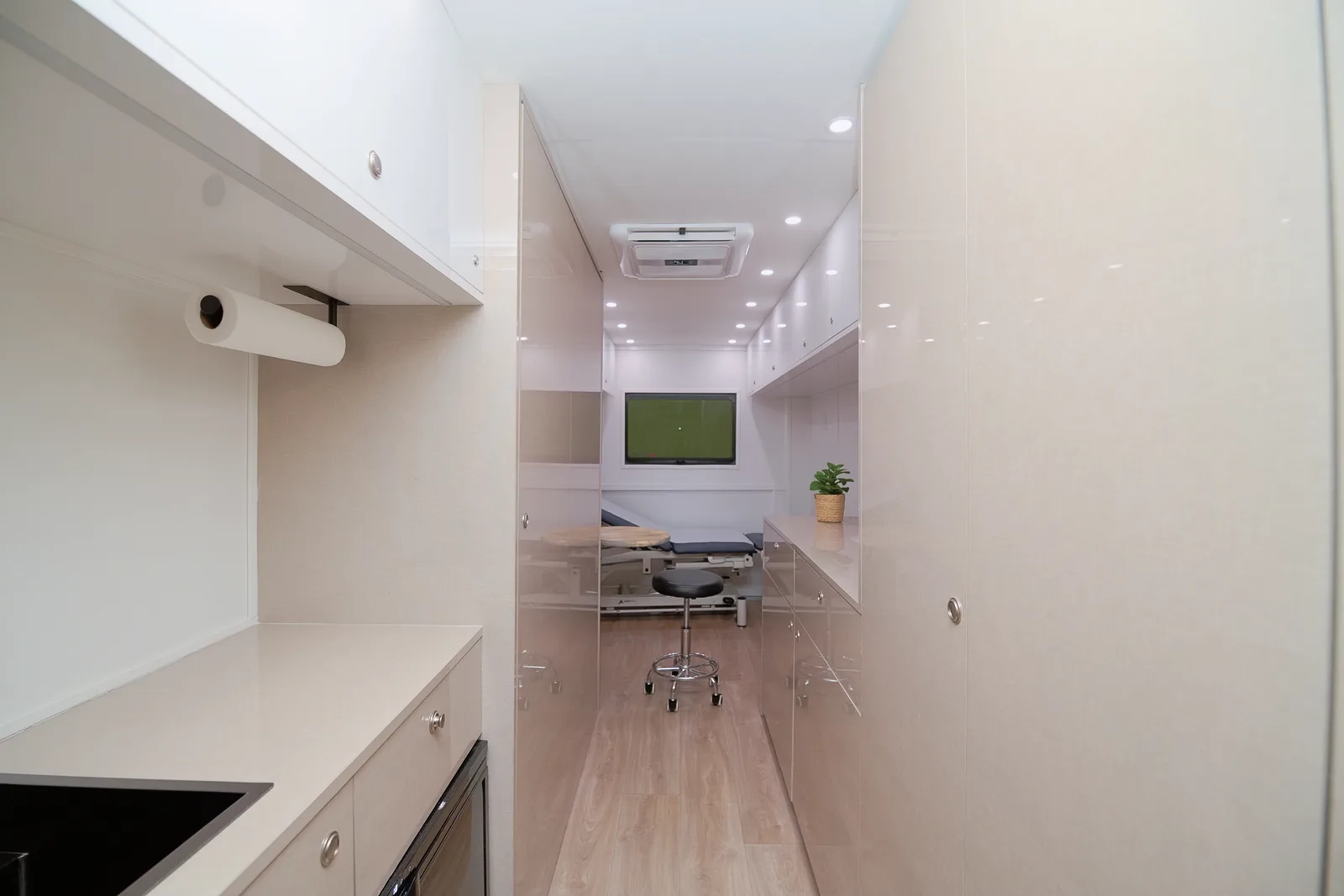
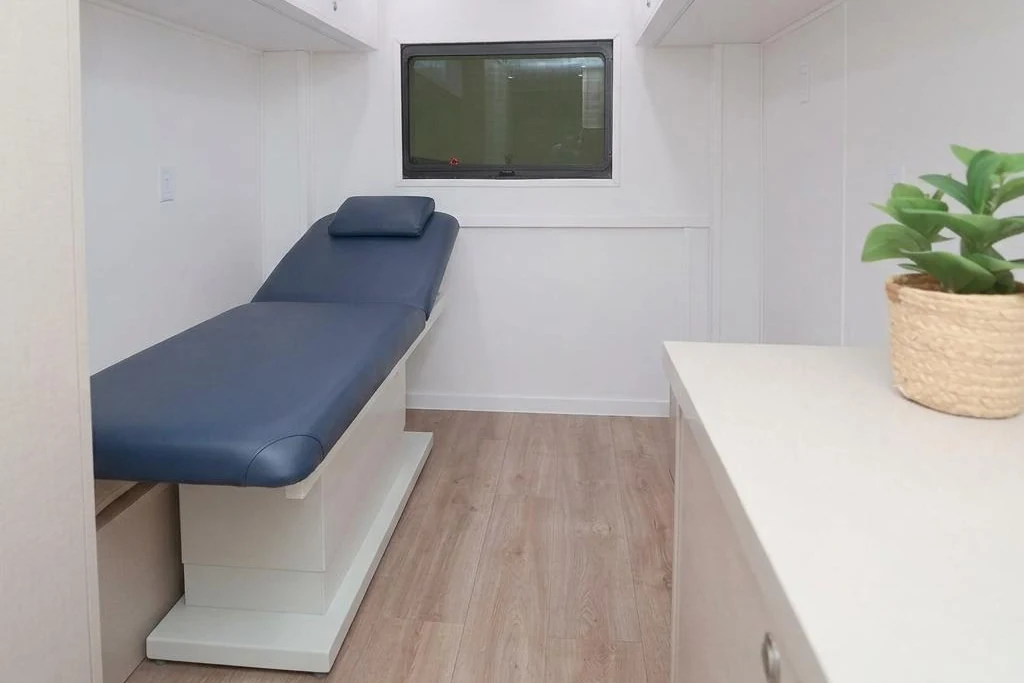
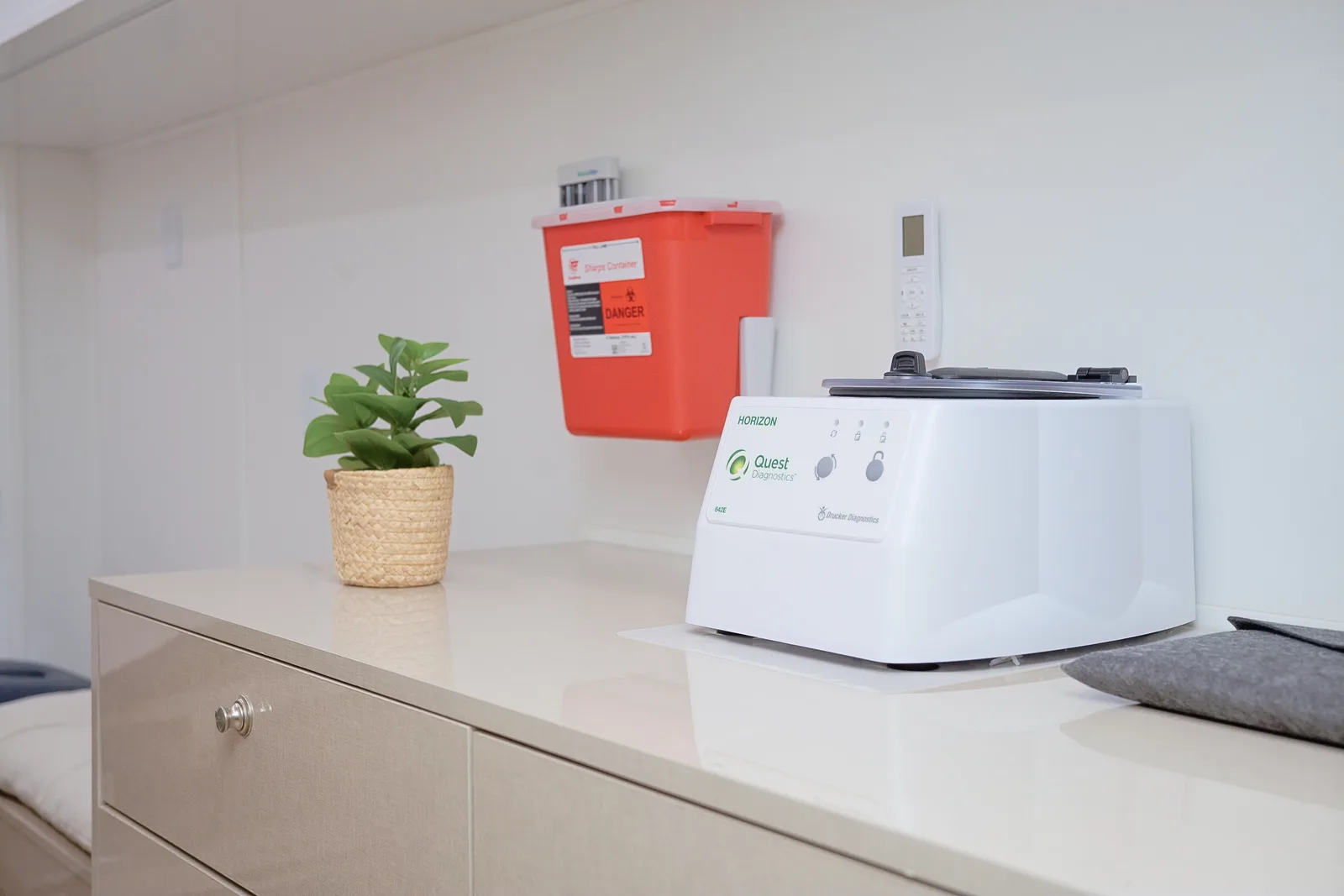
Private. Equipped.
At your door.

You wake up with a sore throat that feels like sandpaper. Your child spikes a fever on a Tuesday morning. A houseguest twists an ankle by the pool. In moments like these, the clock starts ticking — and the usual options aren't great. Drive to an urgent care traditional medical office and wait an hour in a room full of other sick people, or try to get a same-day slot at your regular doctor's office and hope for the best.
There is a better way, and it's simpler than most people realize: a board-certified physician comes to you.
What Same-Day Urgent Care at Home Actually Means
House-call urgent care is exactly what it sounds like. You call or message your concierge practice, describe what's going on, and a physician is dispatched to your home, hotel suite, office, or wherever you happen to be — often within hours.
This isn't telemedicine. A real doctor arrives in person, performs a hands-on physical exam, and carries the tools needed to evaluate and treat a wide range of urgent — but non-emergency — conditions on the spot.
What Conditions Can Be Treated at Home?
Most of the everyday illnesses and injuries that send people to urgent care traditional medical offices are entirely manageable in a home setting. Common visits include:
- Upper respiratory infections, sore throats, and sinusitis
- Fever evaluation in children and adults
- Ear infections and swimmer's ear (especially common in South Florida's year-round swim culture)
- Urinary tract infections
- Skin rashes, minor allergic reactions, and insect bites
- Nausea, vomiting, and dehydration
- Minor wound care and laceration assessment
- Flu, COVID-19, and strep testing
- Blood pressure concerns or medication questions
If a condition turns out to be beyond the scope of a home visit — a potential fracture, for example, or chest pain that warrants further workup — your physician will coordinate the appropriate next step and make sure you get there safely.
Why Busy South Florida Families Are Making the Switch
Life in Palm Beach, South Florida, Broward, and the Orlando metro moves fast. Between school pickups, work commitments, travel schedules, and the general heat and humidity that make even a short errand feel like an expedition, spending two hours in a waiting room is a genuinely painful ask.
For families with young children, it's even harder. Keeping a sick toddler calm in a waiting room — surrounded by other sick patients — is no one's idea of a productive morning. For older adults or anyone with mobility challenges, the logistics of getting to a traditional medical office can be a real barrier to seeking timely care.
And for travelers? South Florida and Orlando are two of the most visited destinations in the country. Falling ill at a hotel or vacation rental is stressful enough without navigating an unfamiliar healthcare system. A physician who comes to your door removes that stress entirely.
The Comfort Factor Is Real — and It Matters Clinically
There's something worth saying here that doesn't get enough attention: patients who are comfortable and at ease tend to communicate more clearly with their doctors. At home, there's no performance anxiety, no rushing, no noise. You can show the doctor the medication bottles on your nightstand, point to where it hurts, and have an honest conversation without feeling like you're holding up a line.
Physicians, in turn, often gather useful clinical information from the home environment itself — observing how a patient moves around their own space, noticing environmental factors like mold or air quality, or simply having more uninterrupted time to listen.
What to Have Ready When Your Doctor Arrives
To make the visit as efficient as possible, it helps to:
- Have a list of current medications and supplements on hand
- Know your allergy history
- Note when symptoms started and how they've changed
- Have your insurance card or membership information accessible
- Clear a comfortable, well-lit space for the exam
That's genuinely all the preparation required.
When to Call vs. When to Call 911
House-call urgent care is designed for conditions that are uncomfortable, worrying, or time-sensitive — but not life-threatening. If someone is experiencing chest pain with shortness of breath, signs of stroke, severe difficulty breathing, uncontrolled bleeding, or loss of consciousness, call 911 immediately. Emergency care exists for a reason, and a good concierge practice will always be honest with you about that line.
For everything in between — which is the vast majority of urgent health situations — a physician at your door is often the fastest, most thorough, and most comfortable option available.
Ready to Experience Care on Your Terms?
PrimeCare VIP serves patients across Palm Beach, Broward, and the Orlando metro with same-day house calls delivered by board-certified physicians. Whether you need urgent care today or want to establish a relationship with a doctor before you ever need one, we'd love to talk.
Schedule a free consultation with PrimeCare VIP and find out how concierge medicine can fit into your life — on your schedule, in your space.
