


Staying Healthy Year-Round: A South Florida Wellness Guide
Private. Equipped.
At your door.
_1787238367952-d1mTKZIu.png)
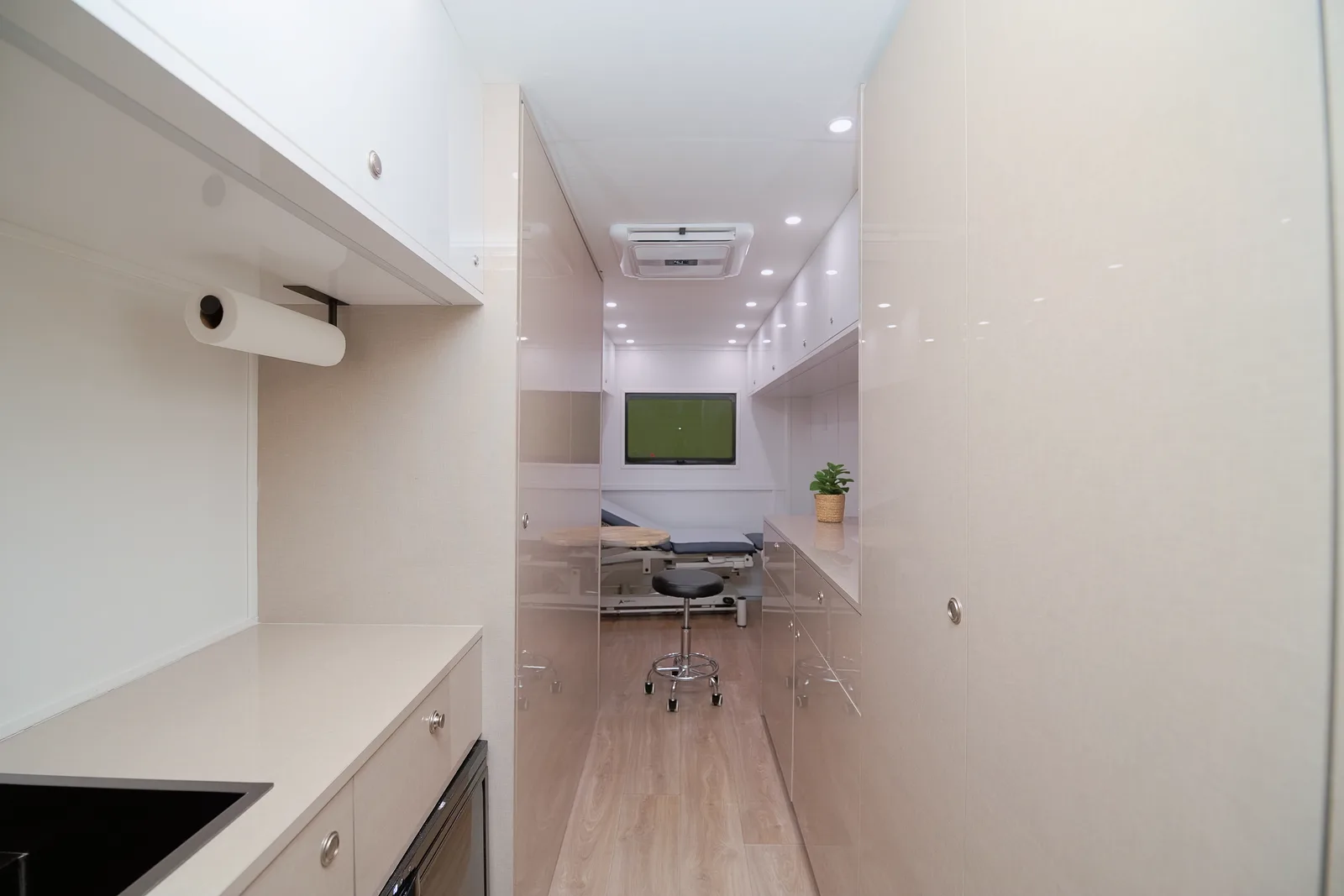
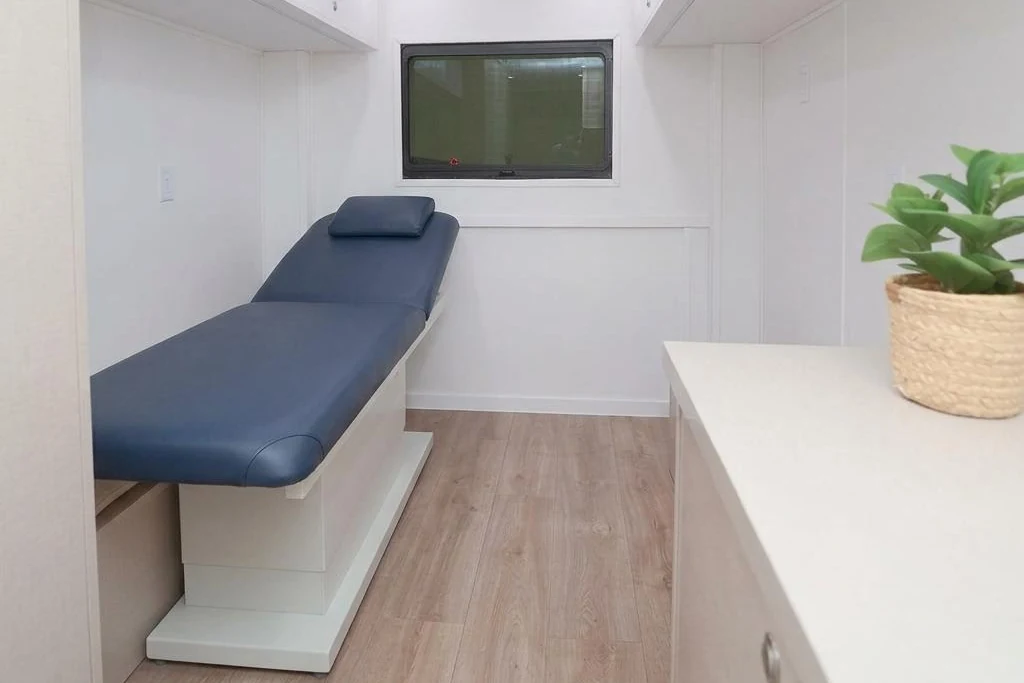
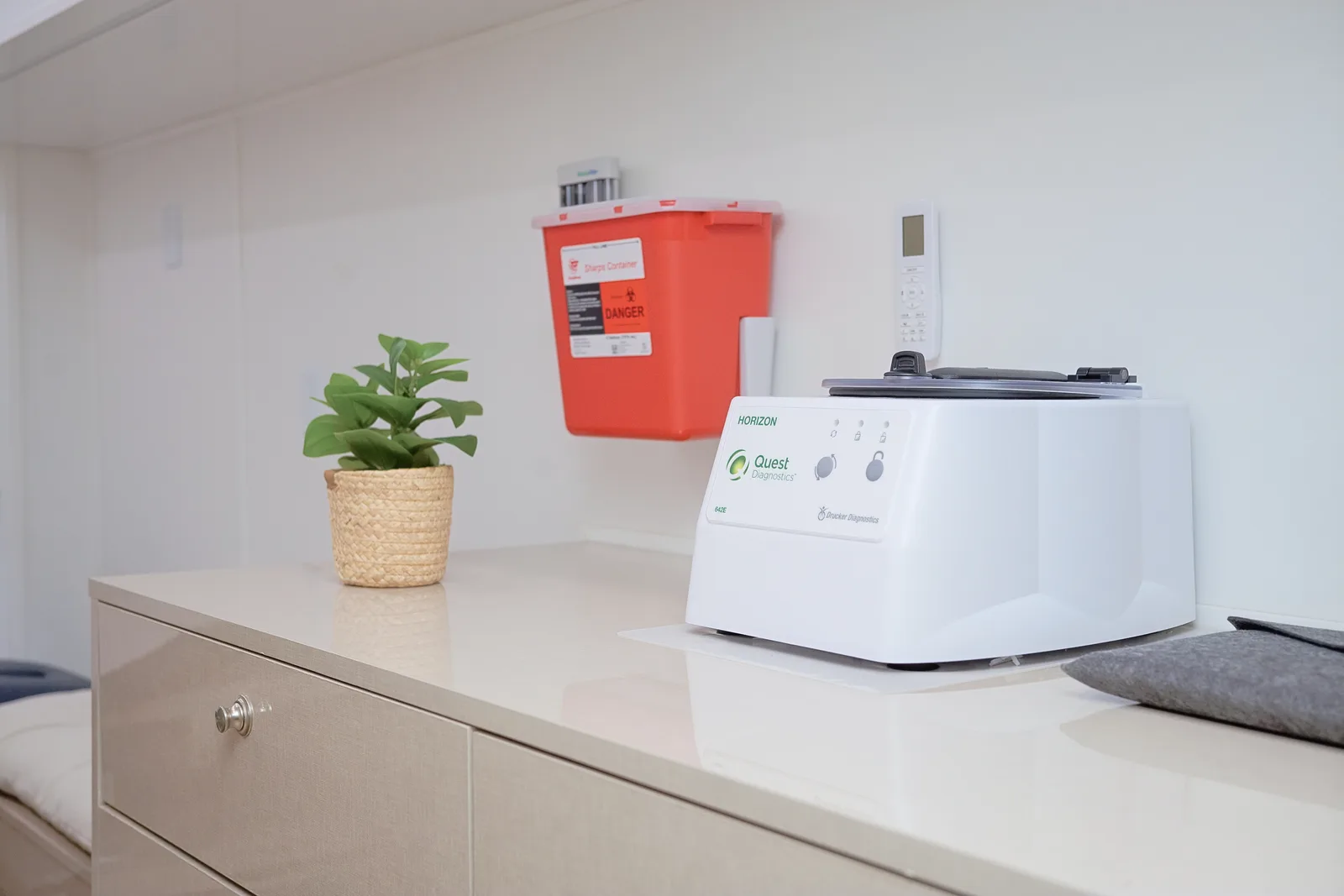
South Florida is one of the most vibrant places on earth to live, work, and raise a family. The weather is glorious, the pace is energetic, and the opportunities for an active lifestyle are everywhere. But that same sun-drenched, fast-moving environment comes with health considerations that are easy to overlook — until they become a problem.
Preventive medicine isn't just for people who feel sick. It's the smartest thing a healthy, busy person can do to protect the life they've built.
Why Preventive Care Looks Different in South Florida
Our climate and lifestyle create a specific set of health priorities that don't apply the same way in, say, Chicago or Boston.
Heat, Humidity, and Hydration
Summer in Miami-Dade, Broward, Palm Beach, and the Orlando metro isn't just warm — it's relentless. Extended heat exposure puts real stress on the cardiovascular system, and most people don't realize how quickly dehydration can compromise energy levels, kidney function, and even cognitive clarity. If you're active outdoors, commuting, or simply spending time on the water, staying properly hydrated is a daily discipline, not an afterthought.
Sun Exposure and Skin Health
Year-round UV exposure is part of life here, and it's a double-edged sword. Moderate sun is genuinely beneficial — it supports vitamin D production, which plays a role in immune function, mood, and bone health. But cumulative UV exposure over years is the leading driver of skin damage and skin cancer.
A few smart habits go a long way:
- Apply broad-spectrum SPF 30+ sunscreen daily, not just at the beach
- Schedule an annual skin check with a dermatologist
- Wear UV-protective clothing and sunglasses during peak hours (10 a.m. – 4 p.m.)
- Have any new or changing skin spot evaluated promptly
Seasonal Allergies — Year-Round
If you moved here from the North expecting to escape pollen season, you may have been disappointed. South Florida's subtropical climate means something is always blooming. Grass, mold spores, and various tree pollens cycle through the calendar, and the high humidity supports mold growth both outdoors and indoors. If you're dealing with persistent congestion, fatigue, or itchy eyes, it's worth looking at this seriously rather than chalking it up to "a cold."
The Foundation of a Preventive Health Plan
Regardless of where you live, the core elements of preventive care are consistent — it's the personalization that makes the difference.
Annual Wellness Examinations
A thorough annual physical does more than check a box. Done well, it establishes your baseline, catches early warning signs, and gives your physician the context to interpret changes over time. Bloodwork, blood pressure, body composition, and a review of your personal and family history all inform a picture that no single visit can fully capture.
Targeted Lab Work and Screenings
Standard lab panels are a starting point. Depending on your age, family history, and lifestyle, your physician may recommend going further — thyroid function, inflammatory markers, hormone panels, vitamin levels, cardiovascular risk assessment, and appropriate cancer screenings. The goal is information that allows you to act early, when outcomes are most favorable.
Lifestyle as Medicine
This isn't a lecture — it's a practical observation. Sleep quality, physical activity, nutritional patterns, stress management, and alcohol intake all show up in your lab work and in how you feel day to day. A good preventive medicine physician talks with you about these factors honestly and helps you make realistic, sustainable changes rather than handing you a generic pamphlet.
Wellness for the Whole Family
South Florida is home to a wonderfully diverse population — multigenerational households, international families, retirees, young professionals, and everyone in between. Preventive care needs to reflect that.
- Children and teens benefit from regular growth and development monitoring, vaccine schedules, and early identification of issues like anemia, vision problems, or attention difficulties.
- Adults in their 30s and 40s are often the least likely to prioritize their own health while managing careers and families — and often the most in need of a reset.
- Adults 50 and older face shifting cardiovascular, hormonal, and metabolic risks that warrant more proactive monitoring and screening.
- Seasonal residents and frequent travelers need a physician who understands their schedule and can provide continuity of care wherever they are.
Making Preventive Care Convenient
One of the most common reasons people skip wellness visits is simple: time. Between work, family, and the demands of daily life, scheduling a doctor's appointment — and then sitting in a waiting room — falls to the bottom of the list. That's where concierge and house-call medicine changes the equation entirely. When your physician comes to you — at your home, office, or hotel — there's no commute, no waiting room, and no rushing through an appointment.
If you'd like to build a personalized preventive health plan with a board-certified physician who comes to you, PrimeCare VIP offers a complimentary consultation to help you get started. Reach out through our website to schedule yours — it's one of the best investments you can make in your health this year.
