


Staying Ahead of Your Health in South Florida's Year-Round Sun
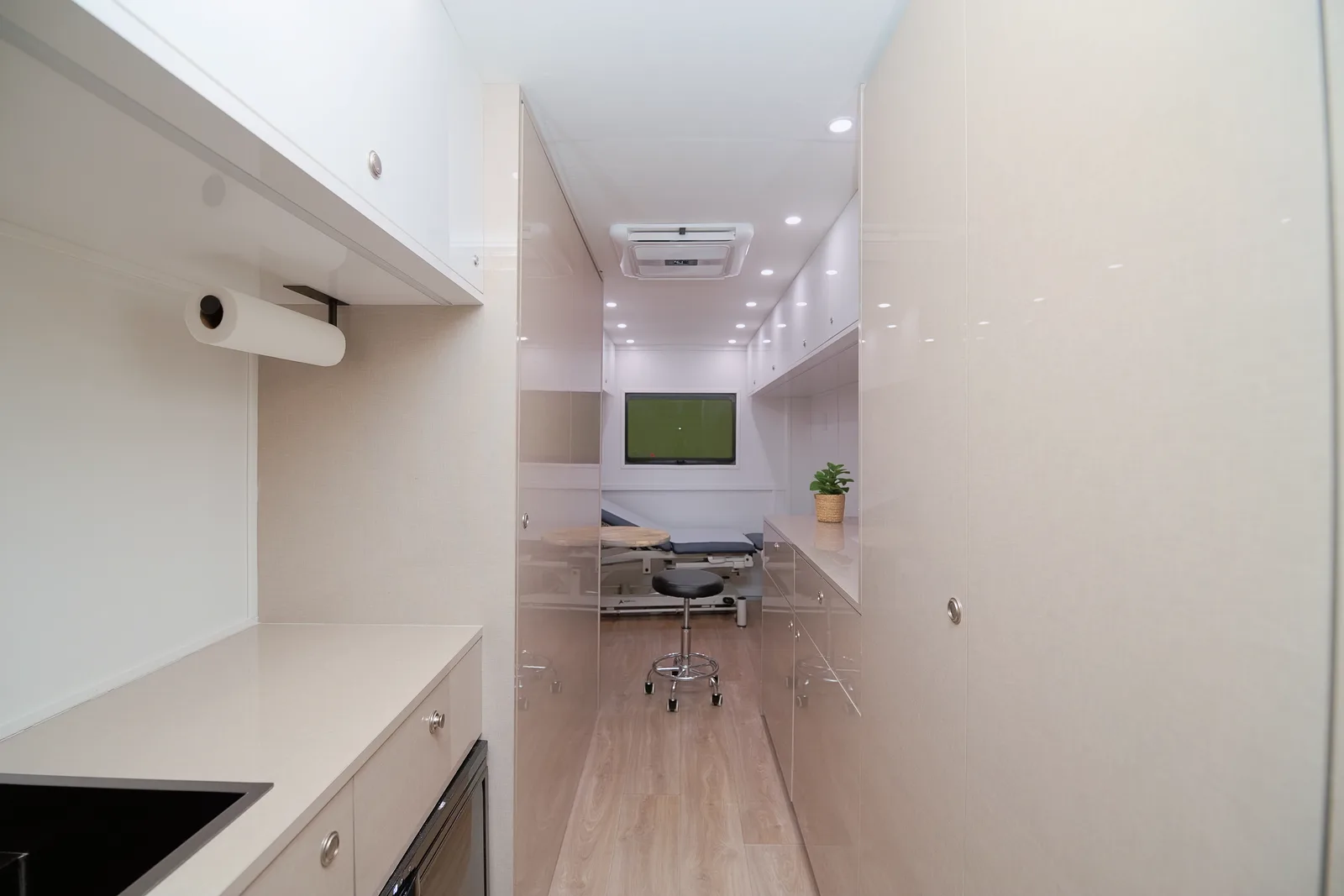
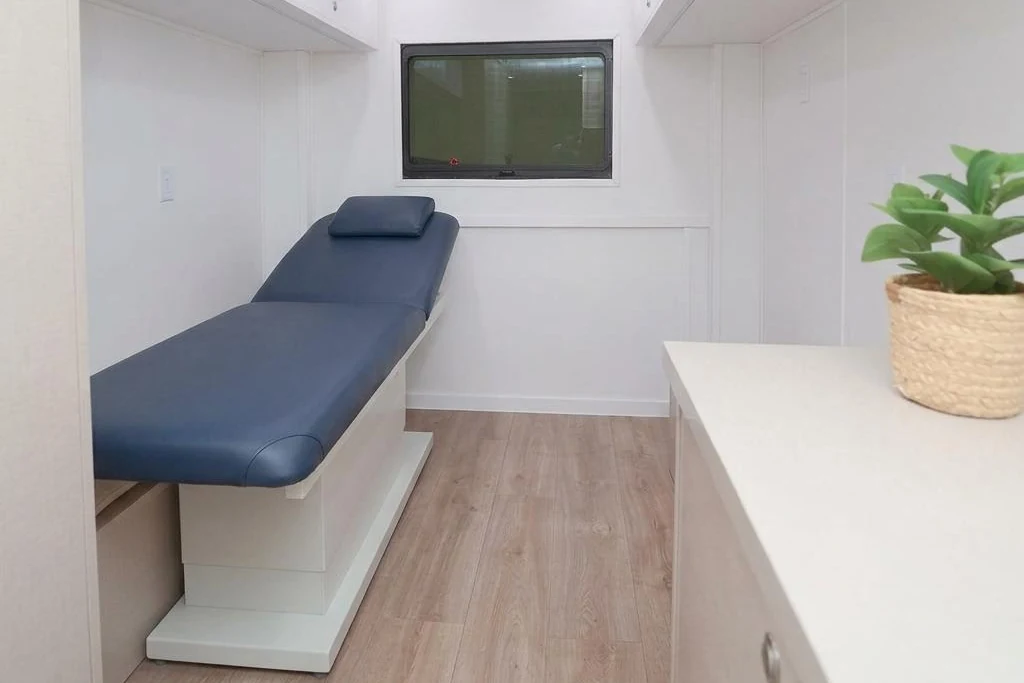
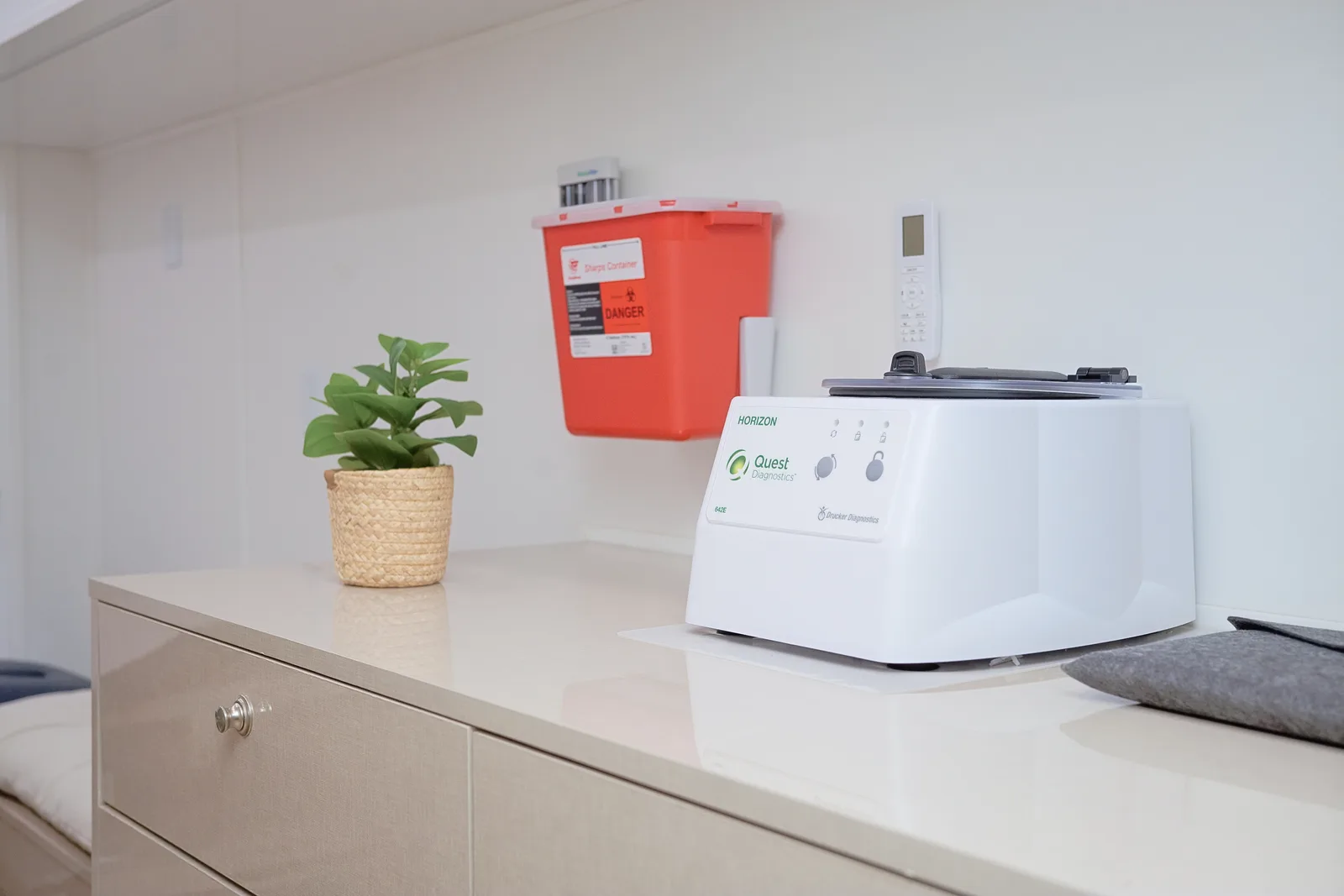
Private. Equipped.
At your door.
_1787238367952-d1mTKZIu.png)
Living in South Florida or the Orlando metro means long days by the water, an active social calendar, and sunshine that rarely takes a day off. That's a remarkable quality of life — and it comes with a specific set of health priorities that deserve real attention. Preventive medicine isn't just annual bloodwork and a flu shot. Done well, it's a personalized strategy that fits your lifestyle, your climate, and where you are in life right now.
Why Preventive Care Looks Different Here
The South Florida environment is genuinely unlike most of the country. Heat and humidity are present for the better part of ten months. Many residents are active outdoors — golfing in Palm Beach, boating off the Broward coast, or enjoying theme-park weekends near Orlando — and that activity brings both benefits and risks that a thoughtful physician needs to account for.
Add to that a large and growing population of retirees and second-home owners who may be splitting time between climates, and you have patients whose health snapshots can change significantly from season to season.
The Sun Is Both a Gift and a Risk Factor
Sunshine supports mood and helps your body produce vitamin D, which plays a role in bone health, immune function, and more. But chronic, high-intensity UV exposure is also the leading environmental cause of skin damage and skin cancer — and South Floridians are exposed to some of the most intense UV radiation in the continental United States.
Prevention here means:
- Annual full-body skin checks with a dermatologist, or discussing concerning spots with your physician at every visit
- Daily broad-spectrum SPF, not just at the beach
- Vitamin D monitoring — counterintuitively, heavy sun exposure with adequate sunscreen can still leave some people deficient, especially older adults
Hydration, Heat, and Heart Health
Heat stress is a real and underappreciated concern, particularly for patients over 60, those on certain blood pressure or diuretic medications, and anyone ramping up a new fitness routine in the summer months. Dehydration can set in faster than people realize in high humidity, and early symptoms — fatigue, mild headache, decreased concentration — are easy to dismiss as "just the heat."
Cardiovascular health intersects here, too. A proactive wellness plan should include regular blood pressure monitoring, a lipid panel, and an honest conversation about your current exercise habits. Walking 18 holes in 92-degree heat is very different from walking them in a Northern spring, and your care plan should reflect that.
Screening: The Earlier, the Better
Many serious conditions are far more manageable when caught early. Preventive screenings aren't about finding bad news — they're about gaining time and options.
Key screenings to keep current include:
- Blood glucose and A1C — type 2 diabetes is prevalent across South Florida's demographics, and prediabetes often has no symptoms
- Colorectal cancer screening — guidelines have moved the starting age to 45 for average-risk adults
- Lipid and metabolic panels — a baseline and regular follow-ups give your physician a trend line, not just a snapshot
- Blood pressure — still one of the most important numbers in medicine, and still widely uncontrolled
- Thyroid function — especially relevant for women over 40, where subtle thyroid shifts can affect energy, weight, and mood
Nutrition and Weight in a Social Climate
South Florida is a food culture. Dining out is frequent, portions are generous, and social life often revolves around restaurants and events. This isn't a problem — it's real life. But it does mean that sustainable nutrition habits have to be built around how people actually live, not idealized meal plans.
A concierge physician who knows you well can help you identify patterns — whether it's travel months that derail your routine, stress eating during season, or gradual weight creep that crept up quietly. Small, consistent adjustments almost always outperform dramatic interventions.
Mental Wellness Matters Too
Sunshine and ocean breezes don't immunize anyone against stress, anxiety, or burnout. High-achieving professionals, caregivers managing aging parents, and families navigating busy schedules all deserve support for their mental and emotional wellbeing alongside their physical health.
A good preventive medicine relationship includes space to talk about sleep quality, stress levels, and life satisfaction — not just lab values.
The Advantage of Care That Comes to You
One of the most consistent barriers to preventive care is simply friction — the time it takes to get to an appointment, sit in a waiting room, and fit it around a packed schedule. When your physician visits you at home, your office, or your hotel, that barrier disappears. Preventive care becomes something you actually do, not something you keep meaning to get around to.
If you'd like to talk through a personalized wellness plan — or simply find out what screenings make sense for where you are right now — we'd love to connect. PrimeCare VIP offers a complimentary consultation so you can get to know your physician before committing to anything. Reach out through our website to schedule yours at a time and place that works for you.
