


Staying Ahead of Your Health in the South Florida Sun
Private. Equipped.
At your door.
_1787238367952-d1mTKZIu.png)
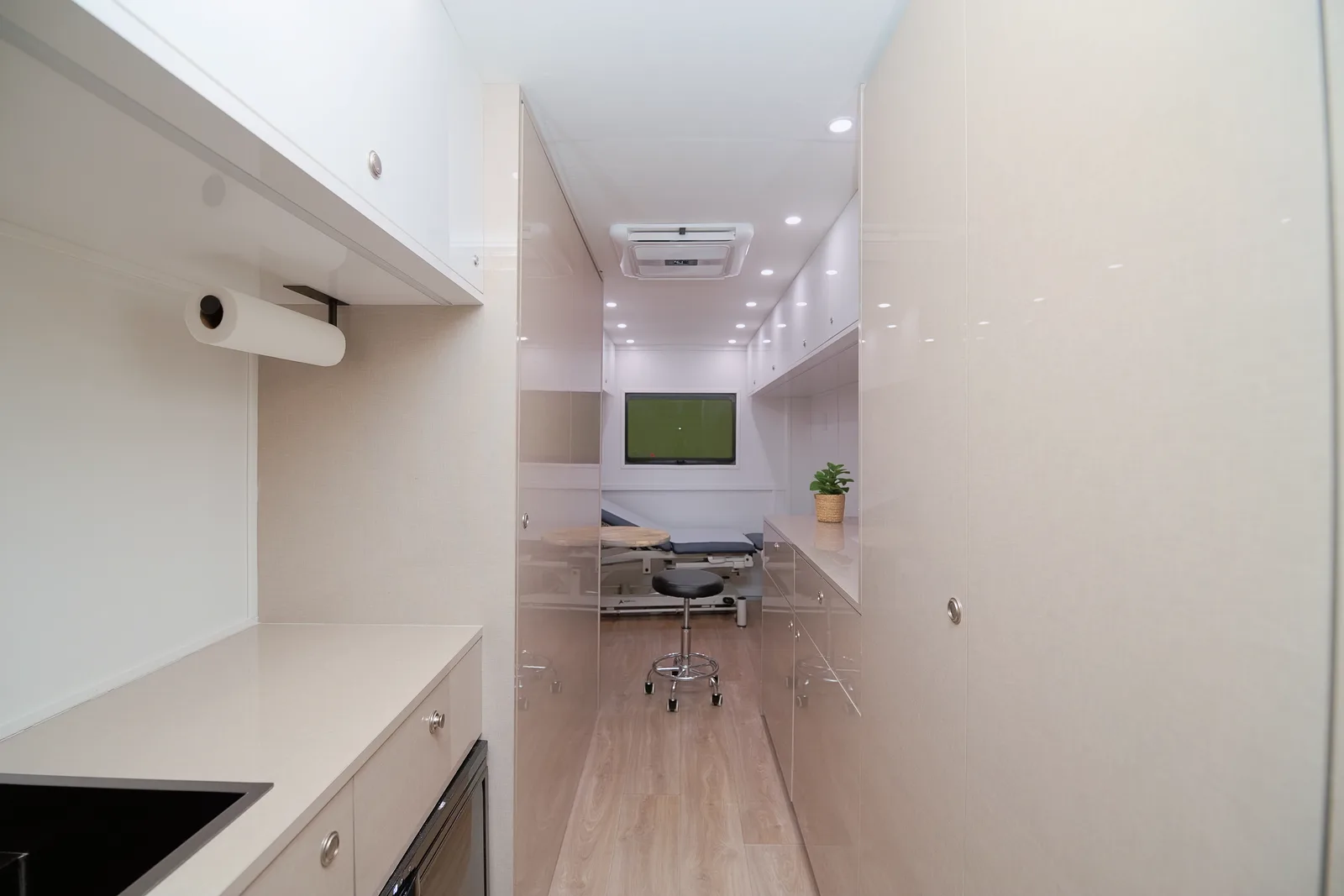
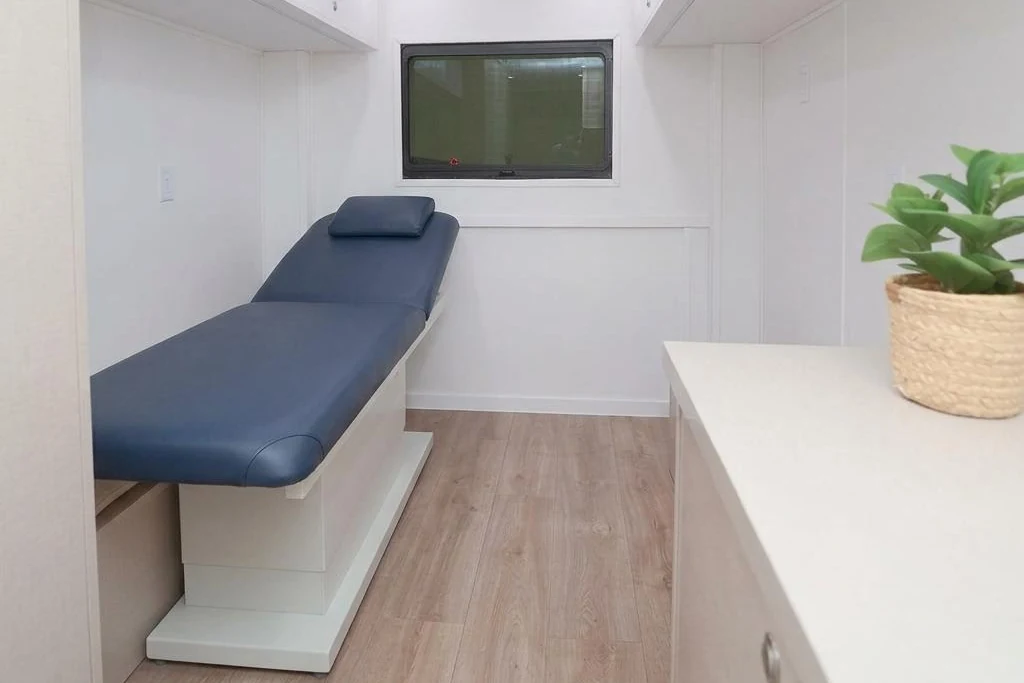
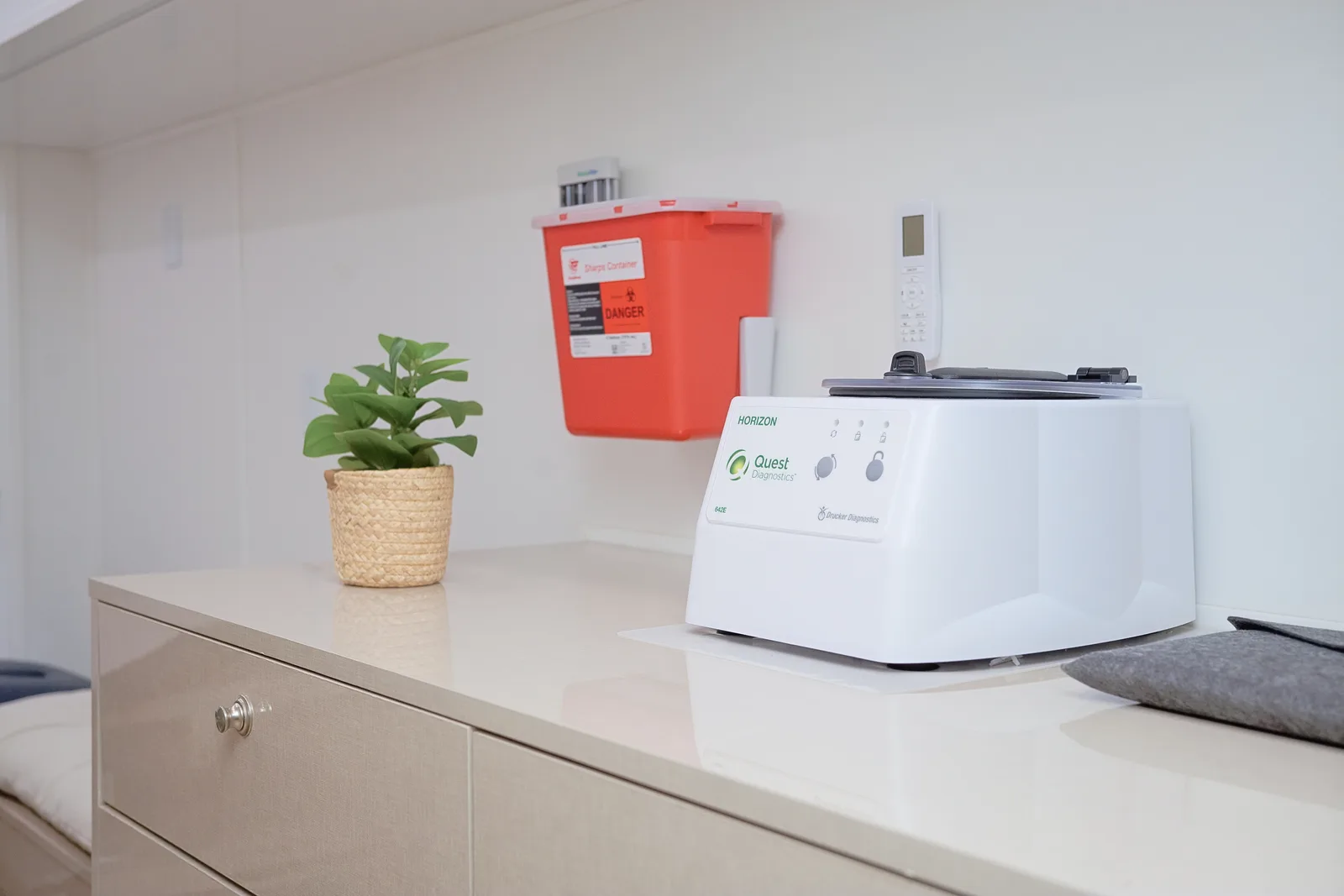
Living in Palm Beach, Miami, Fort Lauderdale, or Orlando means access to world-class food, outdoor living almost every day of the year, and a pace that rarely slows down. But that same sun-soaked lifestyle comes with health considerations that many people overlook until a problem is already knocking. Preventive medicine isn't about fear — it's about making sure your body keeps pace with the life you've built.
Why Preventive Care Matters More in a Warm Climate
Most people associate preventive health with cold-weather states where flu season dominates the conversation. South Florida is different, but the need for proactive care is just as real — it just shows up differently.
Heat and humidity place a steady burden on the cardiovascular system. Outdoor activities that feel effortless in cooler months — a round of golf in Palm Beach, a morning run along the Intracoastal, weekend boating out of Fort Lauderdale — demand more from your heart and circulation when temperatures climb into the 90s. Staying hydrated sounds simple, but chronic mild dehydration is surprisingly common here and can affect energy, kidney function, and even mood.
UV exposure is another factor that deserves more than a quick reminder to wear sunscreen. Years of South Florida sunshine accumulate, and skin cancer remains one of the most preventable conditions when caught early. Regular full-skin checks should be a standard part of any annual wellness plan — not an afterthought.
The Screenings Every South Florida Adult Should Prioritize
Preventive medicine is built on a foundation of knowing your numbers and spotting risks before they become diagnoses. A thorough annual wellness visit should include:
- Comprehensive bloodwork — lipid panel, blood glucose, thyroid function, complete metabolic panel, and vitamin D levels (low vitamin D is common even in sunny climates, because most people here are wisely avoiding peak-sun hours)
- Blood pressure assessment — hypertension often has no symptoms and is extremely manageable when caught early
- Cancer screenings — age-appropriate screenings for colon, breast, prostate, cervical, and skin cancer
- Body composition analysis — not just weight on a scale, but an honest look at muscle mass, visceral fat, and metabolic health
- Heart health evaluation — especially relevant for patients with a family history of cardiac disease or those managing stress-heavy careers
Orlando families and South Florida snowbirds alike sometimes let these screenings lapse when life gets busy. The problem is that many serious conditions — high cholesterol, pre-diabetes, early hypertension — are completely silent until they aren't.
Lifestyle Is Medicine: What Actually Moves the Needle
Sleep
South Florida's social calendar is legendary, but consistent, quality sleep is one of the most powerful tools you have for long-term health. Poor sleep is linked to weight gain, immune suppression, cardiovascular risk, and cognitive decline. If you're waking up tired most mornings, that's worth a real conversation with your physician — not just another cup of coffee.
Nutrition in a Food-Rich Environment
From South Beach to Winter Park, access to outstanding restaurants is one of the perks of living here. The challenge is that dining out frequently makes it easy to overdo sodium, refined carbohydrates, and alcohol without realizing it. A physician who knows your bloodwork can give you targeted, practical guidance — not a one-size-fits-all diet sheet.
Movement That Fits Your Life
The good news: South Florida is one of the best places in the country to be active outdoors. Walking, swimming, paddleboarding, cycling, and tennis are all accessible and enjoyable. The key is finding a sustainable routine, not a punishing one. Your doctor should know what you actually enjoy and help you build a plan around it.
Stress and Mental Wellness
High-achieving professionals and busy parents in Miami-Dade, Broward, and the Orlando metro carry real cognitive and emotional loads. Chronic stress elevates cortisol, disrupts sleep, raises blood pressure, and suppresses immunity. Acknowledging stress as a clinical factor — not a personality flaw — is a mark of modern, whole-person medicine.
The Advantage of Personalized, In-Home Preventive Care
Here's the honest truth about the traditional healthcare model: a rushed 15-minute office visit is rarely enough time to build a real preventive strategy. By the time you've driven, parked, waited, and finally seen your doctor, the conversation is already compressed.
Concierge medicine changes that dynamic entirely. When your physician comes to your home, your office, or your hotel — and spends real, unhurried time with you — prevention becomes a genuine conversation rather than a checklist. You can talk through your actual lifestyle, your family history, your stress levels, and your goals. That's when medicine gets effective.
Ready to Take a Proactive Approach to Your Health?
If you've been meaning to get your annual labs done, revisit your screenings, or simply talk to a physician who has time to actually listen, this is a good moment to act. PrimeCare VIP offers a free consultation so you can learn how our board-certified physicians can build a preventive care plan around your life — not the other way around. Reach out today to get started.
