


Staying Well in South Florida: A Practical Guide to Prevention
Private. Equipped.
At your door.
_1787238367952-d1mTKZIu.png)
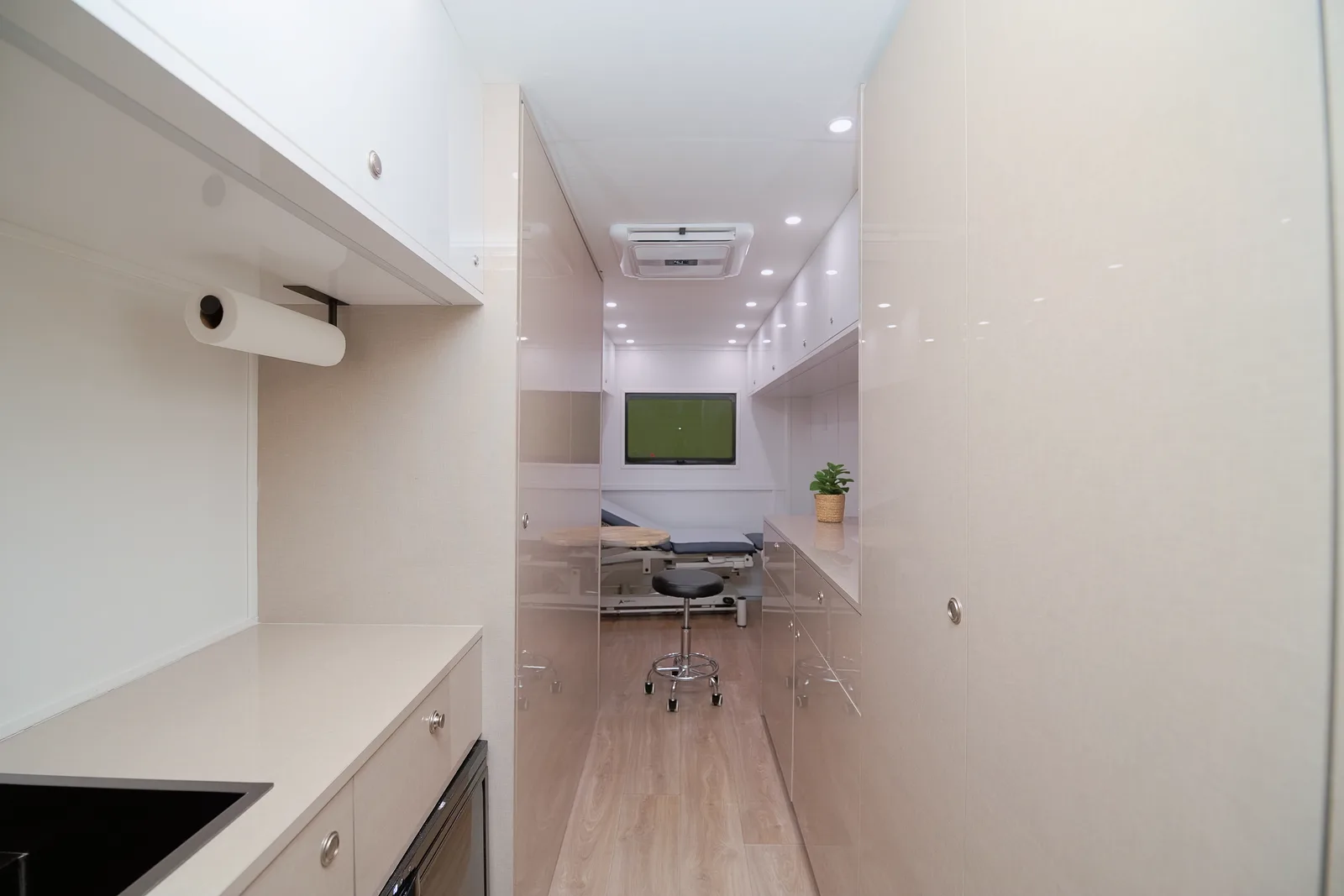
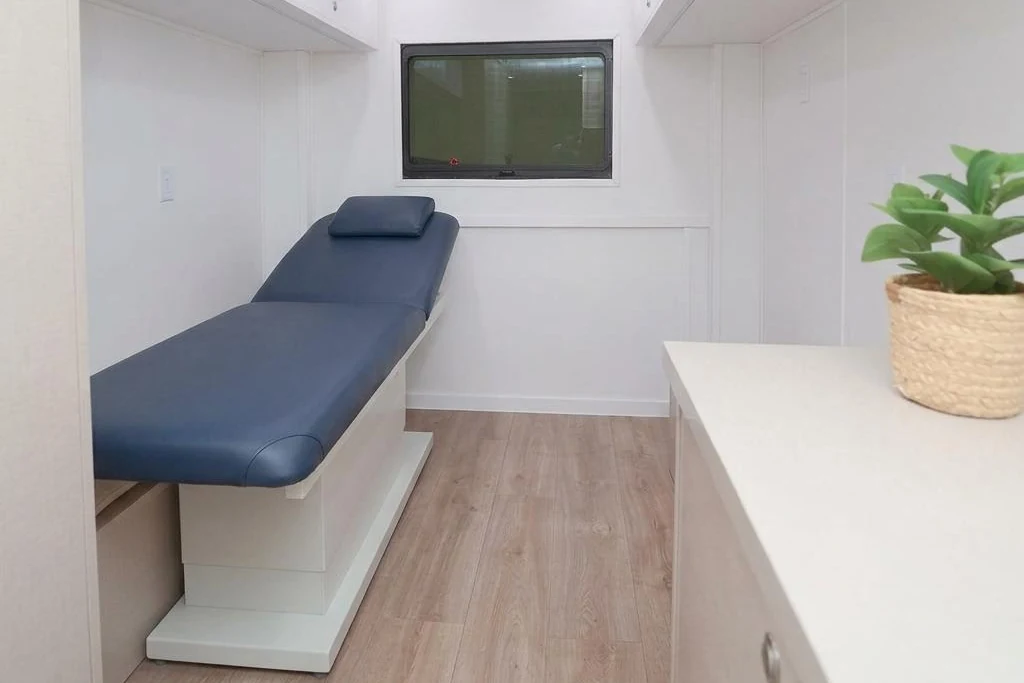
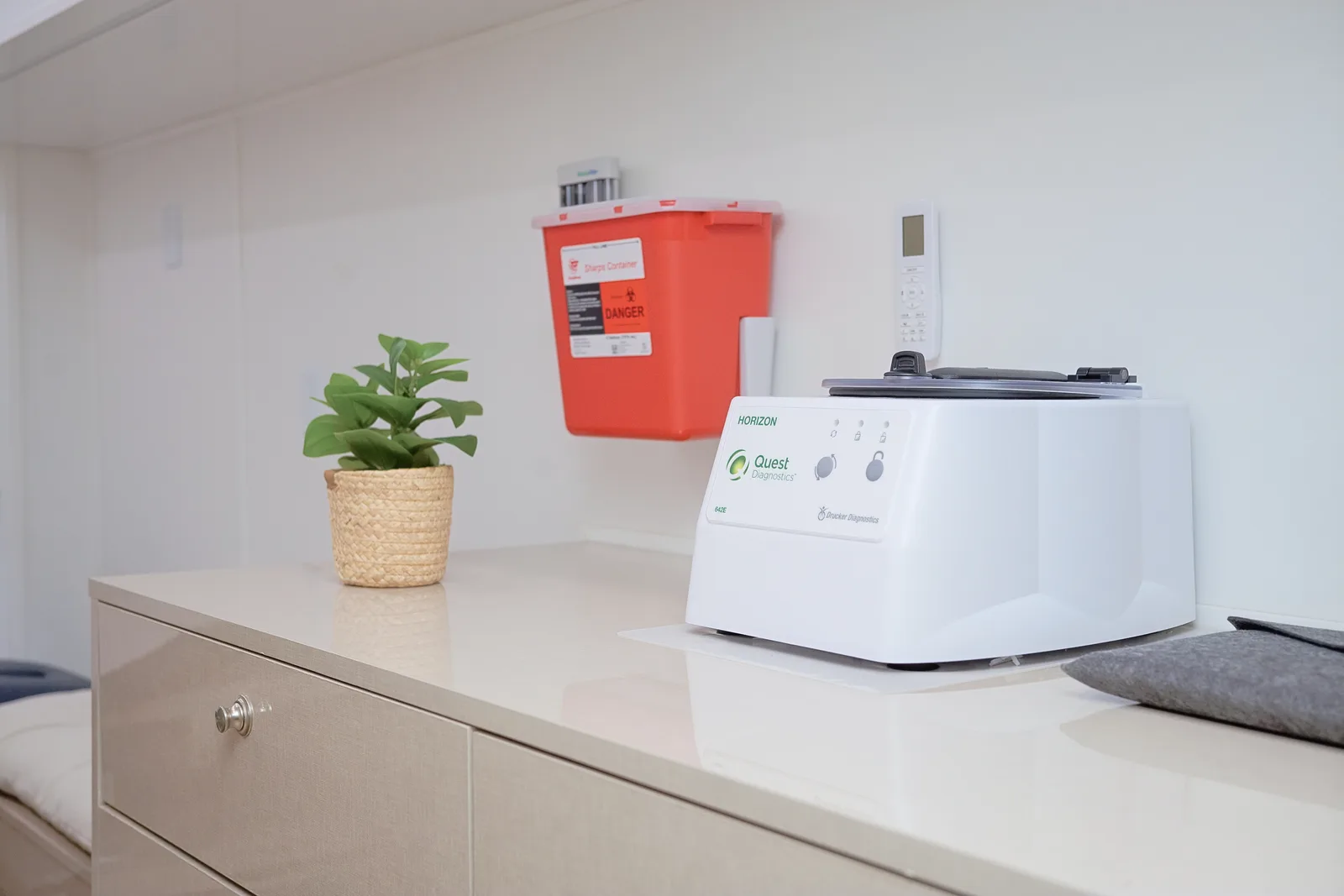
Living in South Florida feels like a permanent vacation from the outside. Year-round sunshine, outdoor dining, waterfront walks — it's genuinely beautiful. But that same lifestyle comes with health pressures that are easy to overlook until something goes wrong. Heat, humidity, sun exposure, high stress, and a culture of being busy can take a real toll, no matter how good things look on the surface.
That's why preventive medicine isn't just for people who feel sick. It's the smartest investment a healthy person can make.
Why Prevention Matters More in South Florida
Our climate is unusual. Temperatures stay high well into the fall, and humidity is relentless for most of the year. That creates a specific set of concerns that patients in cooler climates simply don't face:
- Chronic dehydration — most people are mildly dehydrated more often than they realize, especially those who exercise outdoors or spend long hours at the beach or golf course.
- Heat-related stress on the heart and kidneys — worth monitoring even in otherwise healthy adults.
- UV damage and skin changes — South Florida has some of the highest rates of skin cancer risk in the country. Annual skin checks aren't optional here; they're essential.
- Vitamin D paradox — despite all the sunshine, many South Florida residents are deficient because they (wisely) avoid peak-hour sun or use sunscreen consistently.
For families in the Orlando area, add theme park exertion, visitor schedules, and long days in the heat, and you have another layer of physical stress that adds up over time.
What a Real Preventive Health Plan Looks Like
A good preventive plan isn't just an annual physical with a handshake at the end. It's an ongoing conversation between you and a physician who actually knows your life — your stress levels, your travel schedule, your family history, what you eat, how you sleep.
The Baseline: Know Your Numbers
If you haven't had a comprehensive blood panel recently, that's the place to start. We're talking beyond a basic metabolic panel. A thorough workup might include:
- Fasting glucose and insulin (to catch pre-diabetes early, when it's still very reversible)
- A full lipid panel, including advanced markers like LDL particle size
- Thyroid function
- Inflammation markers like C-reactive protein
- Hormone levels — particularly important for men and women over 40
- Vitamin and mineral levels, including D, B12, magnesium, and iron
These numbers tell a story. And a physician who takes the time to read that story with you — not just flag what's outside the reference range — can help you make genuinely meaningful changes.
Staying Ahead of Common South Florida Health Concerns
Beyond blood work, a smart preventive approach addresses the lifestyle factors that are particularly relevant here.
Cardiovascular health is at the top of the list. South Florida has a large retiree population, but heart disease doesn't wait for retirement. Blood pressure, stress hormones, sleep quality, and diet all feed into cardiovascular risk — and all of them are modifiable with the right guidance.
Sleep is chronically underrated. The late-night culture in Miami and the constant stimulation of an Orlando family schedule both work against good sleep hygiene. Poor sleep affects everything from immune function to weight management to mood.
Weight and metabolic health matter more than most people want to hear. Carrying extra weight — even a modest amount around the midsection — raises risk for diabetes, cardiovascular disease, joint problems, and more. This isn't about aesthetics. It's about years and quality of life.
Mental wellness is health. Stress, anxiety, and burnout are not personality quirks. They have measurable effects on the body, and they deserve the same attention as any physical symptom.
The Case for Concierge Preventive Care
Standard primary care is stretched thin. The average physician visit lasts about fifteen minutes. That's not enough time to do prevention well.
Concierge and house-call medicine changes that equation. When your doctor comes to you — at your home, your office, or your hotel — the dynamic shifts. There's time to talk. There's no waiting room, no rushing, no feeling like a number. Your physician can see your actual environment, understand your actual routine, and build a plan that fits your actual life.
For busy executives, parents managing full households, retirees who prefer to stay home, or anyone who simply values their time, this model makes prevention genuinely accessible — not something you keep meaning to get around to.
Take the First Step
The best time to focus on your health is before you need to. If it's been more than a year since a thorough checkup, or if you've been meaning to get a real handle on your numbers and your risk factors, now is a good time to act.
PrimeCare VIP offers a complimentary consultation so you can meet with one of our board-certified physicians, ask questions, and see if our approach is the right fit for you and your family. There's no pressure and no obligation — just a real conversation about your health.
Reach out through our website to schedule yours today.
