


Women's Health at Every Stage: What You Shouldn't Put Off
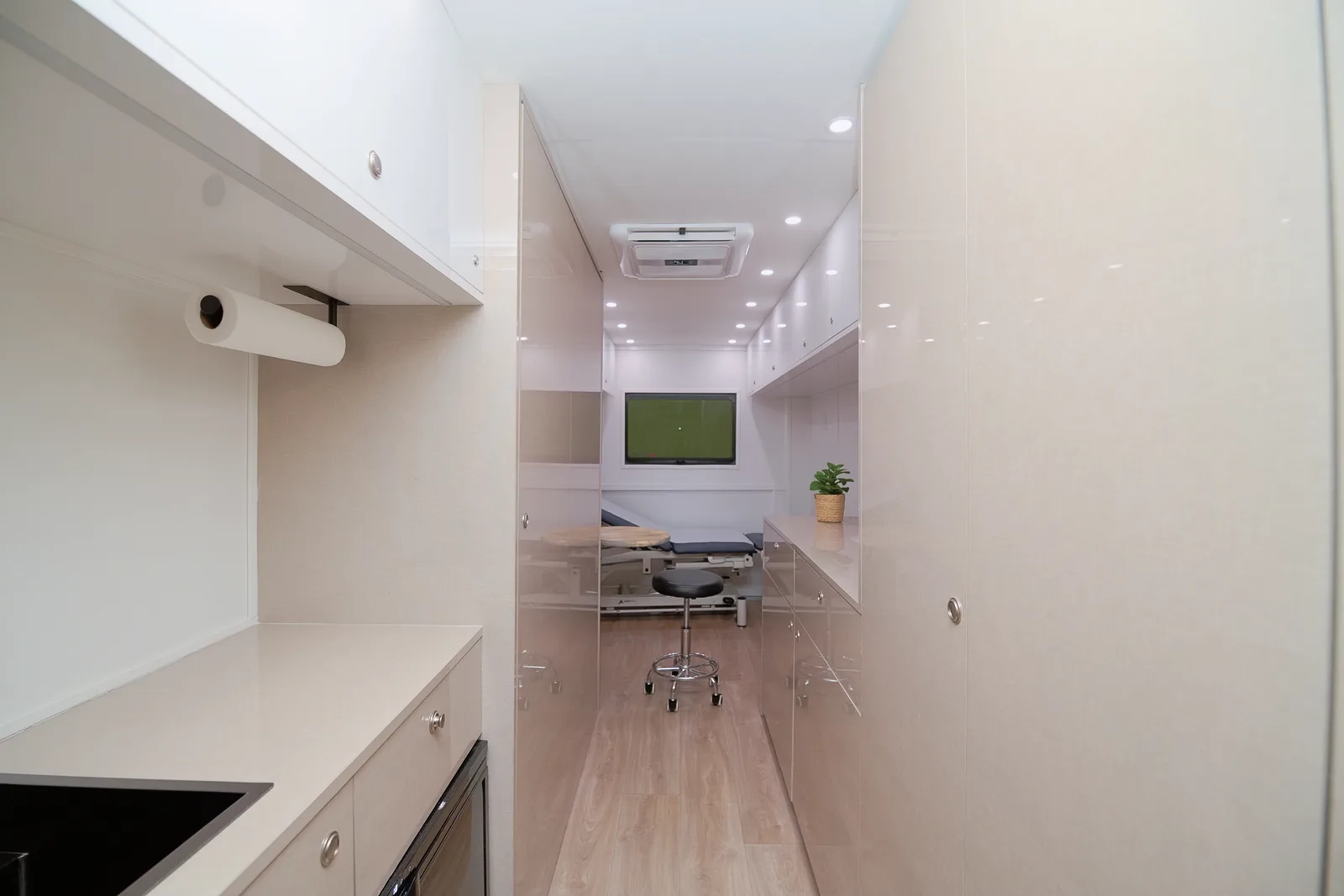
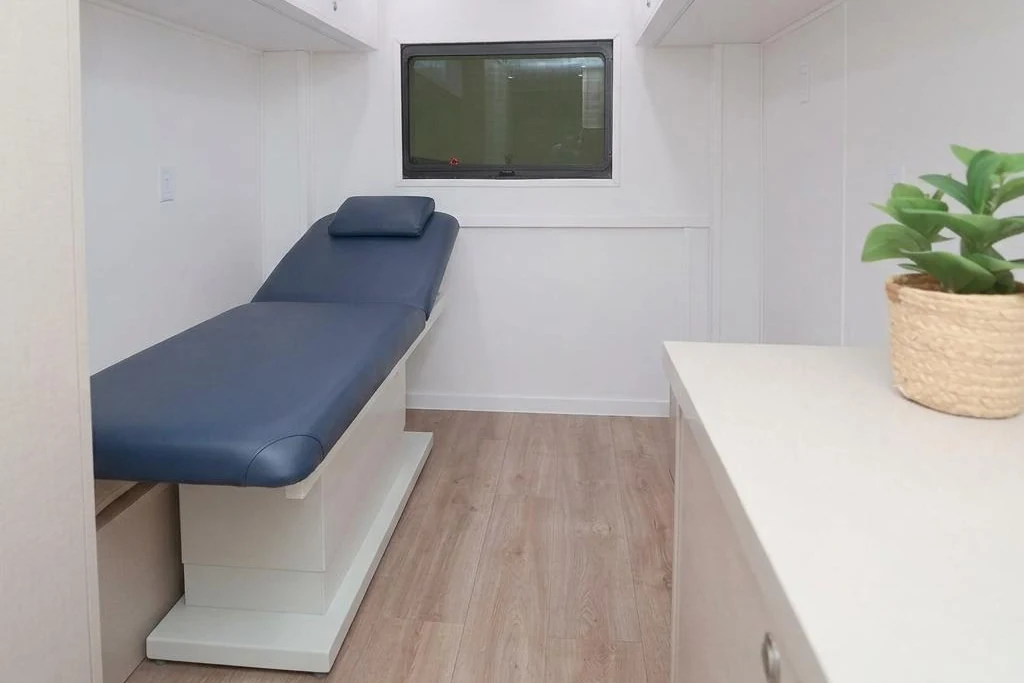
Private. Equipped.
At your door.

Life in South Florida and the Orlando area moves fast. Between careers, families, social calendars, and the relentless Florida sunshine beckoning you outside, it's easy to push your own health to the bottom of the list. But women's bodies go through significant transitions at nearly every decade of life — and staying ahead of those changes makes all the difference in how you feel day to day.
This isn't about alarm bells. It's about knowing what matters, when it matters, and how to get the care you deserve without it feeling like a chore.
Why Women's Health Deserves Its Own Conversation
Women experience health differently than men — not just reproductively, but in how conditions like heart disease, autoimmune disorders, and thyroid problems tend to present. For years, much of mainstream medical research focused primarily on male subjects, which means women sometimes receive a late or missed diagnosis simply because their symptoms don't follow the "textbook" pattern.
That's one reason having a physician who actually listens — and has time to listen — matters so much.
Key Areas to Stay on Top of at Every Age
In Your 30s: Building Your Baseline
Your 30s are often your busiest years, which ironically makes them the easiest time to skip preventive care. This decade is actually the ideal time to:
- Establish a relationship with a primary care physician who knows your full health picture
- Get baseline labs (thyroid, cholesterol, blood sugar, iron) so you have something to compare against later
- Discuss family planning, contraception, or fertility questions openly
- Start paying attention to mood, energy, and sleep — these are early signals, not "just stress"
The South Florida heat and humidity can also mask fatigue and dehydration, making it harder to notice when something is genuinely off. If you're tired all the time and blaming it on the weather, it's worth a closer look.
In Your 40s: Hormones Begin to Shift
Perimenopause can start years before your last period — sometimes as early as your early 40s. Irregular cycles, sleep disruption, brain fog, mood swings, and changes in metabolism are all common during this transition, and many women are surprised to learn these symptoms have a hormonal explanation.
This is also the decade when cardiovascular risk begins to rise for women. Blood pressure, cholesterol, and weight management deserve real attention now, not later.
What to prioritize:
- Annual wellness exams with honest conversations about hormonal symptoms
- Mammography screening (discuss timing with your physician based on your personal risk)
- Bone density awareness — estrogen protects your bones, and its decline changes that equation
- Skin checks, especially important for those of us spending years in the Florida sun
In Your 50s and Beyond: Thriving, Not Just Managing
Menopause is a natural milestone, but it doesn't have to mean accepting a lower quality of life. Hot flashes, vaginal dryness, joint pain, and mood changes are real — and there are real options for managing them.
Women in this stage often tell us they feel like their concerns get dismissed or minimized. They shouldn't. Hormone therapy, lifestyle adjustments, targeted supplements, and regular monitoring can all play a role in feeling genuinely well through and after this transition.
Beyond menopause, this is the time to be proactive about:
- Bone health and fall prevention
- Cognitive wellness and sleep quality
- Heart disease screening — it becomes the leading health risk for women after menopause
- Colorectal and other age-appropriate cancer screenings
The Mental Health Piece
Women are more likely than men to experience anxiety and depression, and life transitions — new motherhood, empty nesting, career changes, caring for aging parents — can all act as triggers. Mental and physical health are deeply connected, and a good physician treats both as part of the same picture.
If you're in Palm Beach, Broward, or the Orlando area and you've been telling yourself you'll "deal with it later," later has a way of arriving faster than expected.
Why Concierge Care Works Especially Well for Women
Traditional medical practices often run on tight schedules — 15-minute appointments that barely scratch the surface of what a woman in her 40s or 50s actually needs to discuss. Concierge and house-call medicine changes that dynamic entirely.
With PrimeCare VIP, a board-certified physician comes to you — your home, your office, even your hotel if you're visiting from out of town. There's no waiting room, no rushed visit, and no feeling like you have to pick just one concern to bring up today. You get the time and attention your health actually requires.
Take the First Step Today
If it's been a while since you've had a thorough wellness conversation with a physician — or if you've never had one that felt truly personalized — we'd love to change that.
Schedule a complimentary consultation with PrimeCare VIP and discover what it feels like to have a doctor who's fully in your corner. Your health deserves that kind of attention. You deserve it.
