


Women's Health at Every Stage: A Smarter Way to Stay Ahead
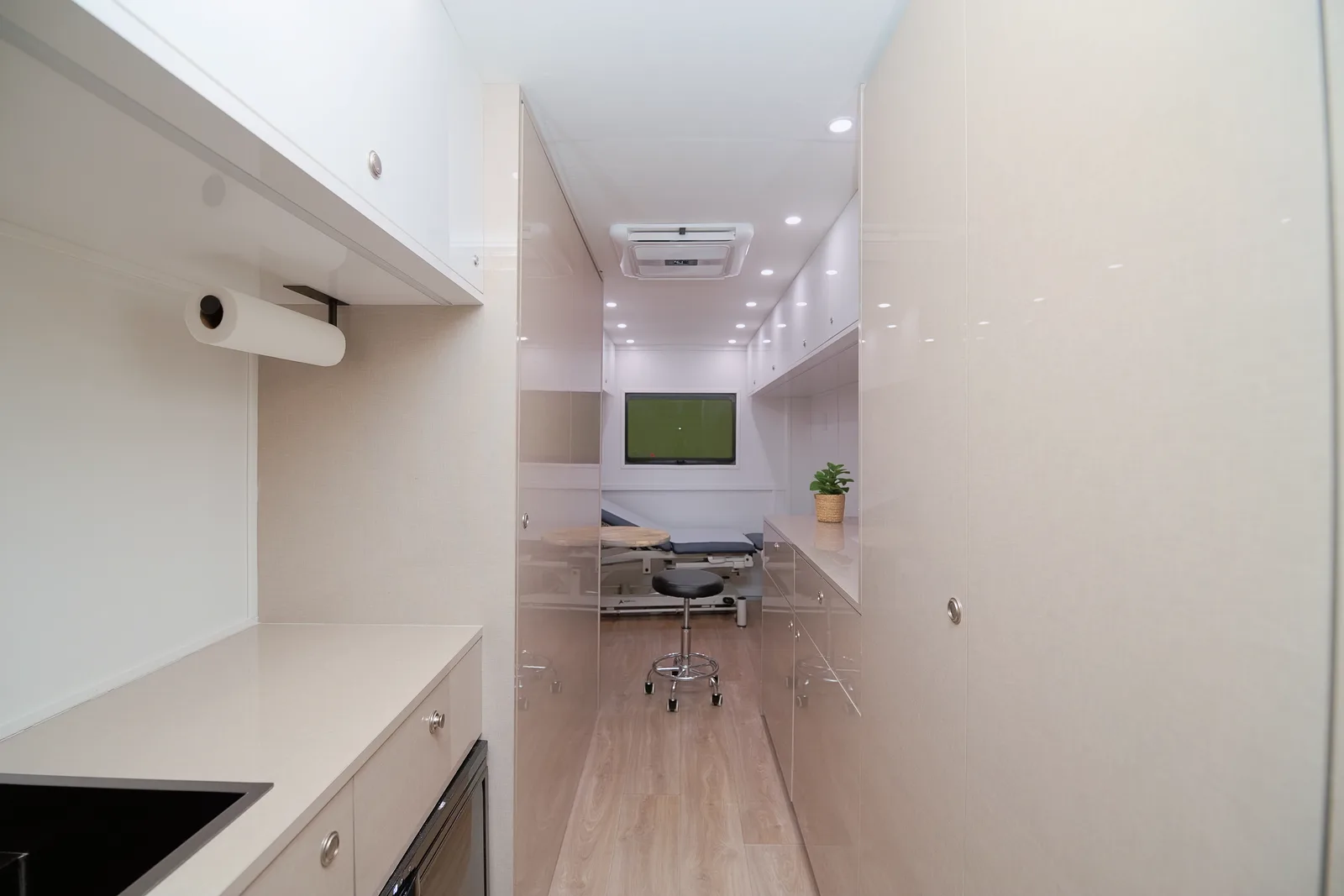
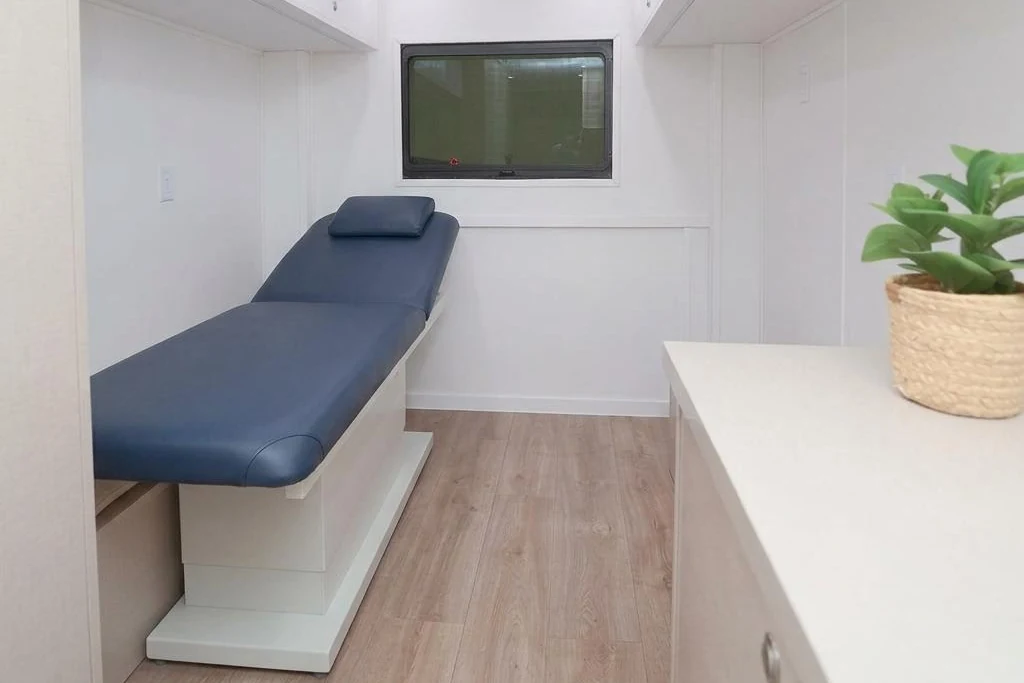
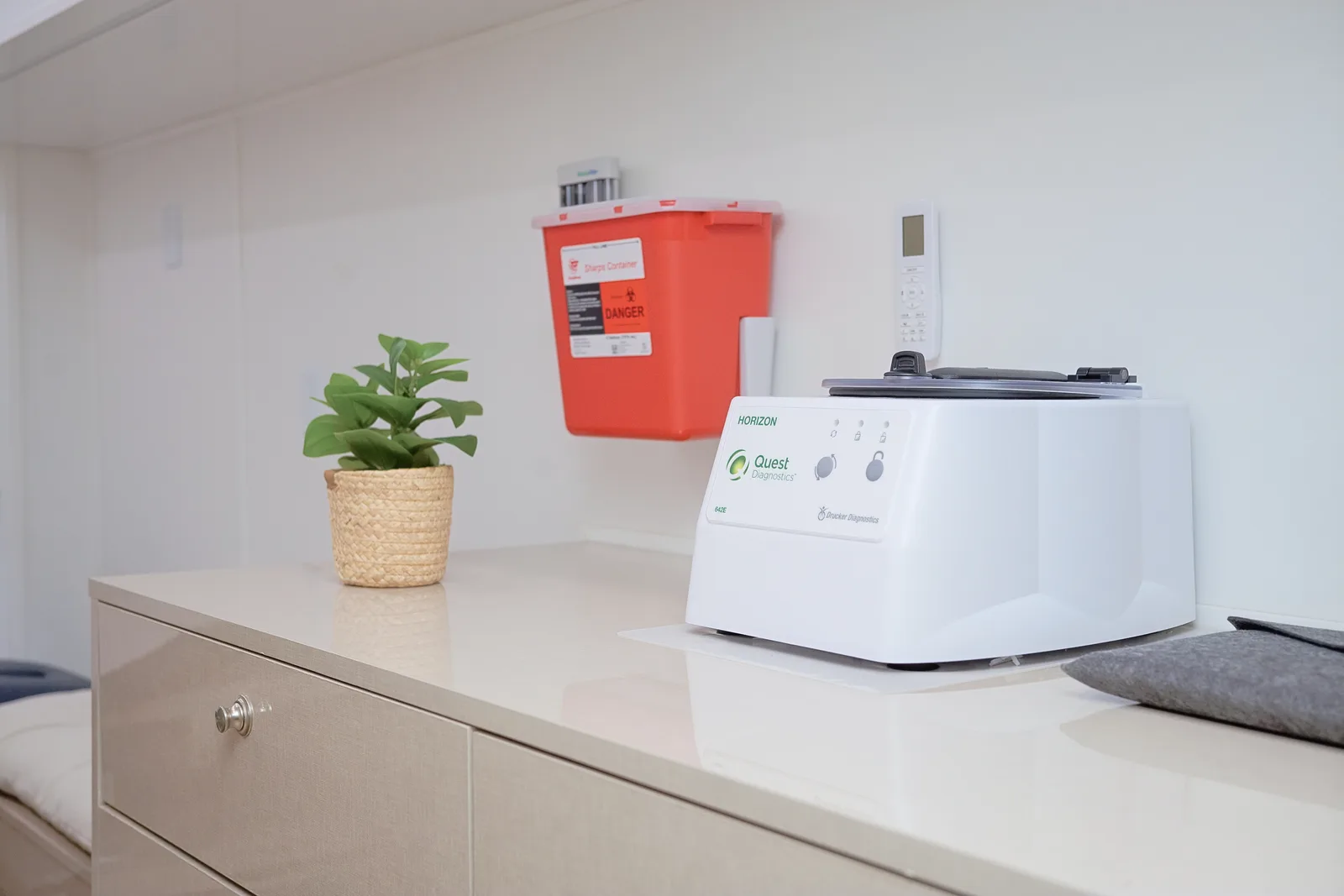
Private. Equipped.
At your door.
_1787238367952-d1mTKZIu.png)
Life moves fast — especially in South Florida and Orlando, where the pace rarely slows down, the social calendar stays full, and the sun seems to dare you to keep up. For many women, personal health quietly slides to the bottom of the to-do list, somewhere between school pickup and a work deadline. But your health isn't something that can wait for a convenient moment. The good news? It doesn't have to.
Whether you're in your 30s building a career and a family, navigating perimenopause in your 40s, or settling into a new chapter after 60, there are things you can do right now — and a better way to get the care you deserve.
Why Women's Health Deserves Its Own Conversation
Women's bodies change in ways that are predictable yet deeply personal. Hormones shift. Sleep changes. Energy levels that once felt bottomless start to fluctuate. And because many of these changes are gradual, they're easy to normalize — or worse, dismiss.
A good physician doesn't wait for you to feel terrible before paying attention. Preventive, proactive care is what separates reactive medicine from the kind that actually keeps you well.
Key Health Priorities by Life Stage
Your 30s: Build the Foundation
This is often the decade when women are simultaneously doing the most — building careers, raising children, maintaining relationships — while doing the least for themselves. A few priorities that matter now:
- Annual well-woman exams — Pap smears, breast exams, and blood pressure checks aren't optional.
- Thyroid screening — Thyroid conditions are common in women and often go undiagnosed for years.
- Mental health check-ins — Anxiety and depression affect women at higher rates, and the stressors of this decade are real.
- Vitamin D levels — Ironically, despite all the Florida sunshine, many of our patients are deficient. Sunscreen use (which you absolutely should wear) limits absorption.
Your 40s: Listen to Your Body
Perimenopause can begin earlier than most women expect — sometimes in the early 40s. Irregular periods, disrupted sleep, mood shifts, and brain fog are not things you simply have to push through. They're signals worth investigating.
This is also the decade to stay current on:
- Mammograms — Talk to your doctor about when to start and how often based on your personal risk.
- Cholesterol and blood sugar — Cardiovascular risk rises after 40, and catching changes early matters enormously.
- Bone density awareness — Bone loss accelerates during the hormonal changes of perimenopause.
Your 50s and Beyond: Thrive, Not Just Survive
Menopause is not a diagnosis — it's a transition. But it does bring real physical changes that deserve real medical attention. Hot flashes, vaginal dryness, sleep disruption, and shifts in mood and libido are all common, and all treatable.
Many women in our Palm Beach, Broward, Miami-Dade, and Orlando communities are living extraordinarily active lives well into their 60s and 70s. The goal is to support that vitality — not just manage symptoms as they arise.
Priorities at this stage include:
- Hormone health conversations — Hormone replacement therapy has evolved significantly. It's worth an honest, personalized discussion with your physician.
- Heart health — Cardiovascular disease is the leading cause of death in women, and risk increases after menopause.
- Cognitive wellness — Sleep quality, stress management, and metabolic health all play a role in long-term brain health.
The Problem With the Traditional Model
Here's a frustration many of our patients share: they wait weeks for an appointment, spend 45 minutes in a waiting room, and get 12 minutes with a doctor who is clearly overbooked. That's not a system designed to help a woman understand her body or make truly informed decisions.
Concierge medicine — especially house-call medicine — changes that dynamic entirely. When your physician comes to your home, your office, or your hotel suite in Boca Raton or downtown Miami, the visit is unhurried. There's time to actually talk. To ask the questions you've been carrying around. To review your labs together and build a plan that fits your real life.
Small Habits That Make a Big Difference
While medicine handles the clinical side, daily habits remain the most powerful tool you have:
- Prioritize sleep — seven to eight hours is not a luxury, it's a health requirement
- Stay hydrated (Florida heat is no joke, especially during outdoor activities)
- Strength training, not just cardio — muscle mass protects your bones and metabolism
- Annual skin checks — South Florida sun exposure makes this non-negotiable
Ready to Make Your Health a Priority?
You deserve care that meets you where you are — literally and figuratively. At PrimeCare VIP, our board-certified physicians visit patients throughout Palm Beach, Broward, Miami-Dade, and the Orlando metro, bringing personalized, unhurried medical care directly to you.
If it's been a while since you had a proper well-woman conversation with a physician, now is a great time to change that. Schedule a free consultation with PrimeCare VIP and find out what truly personalized women's health care feels like.
