


Women's Health at Every Stage: What You Should Know
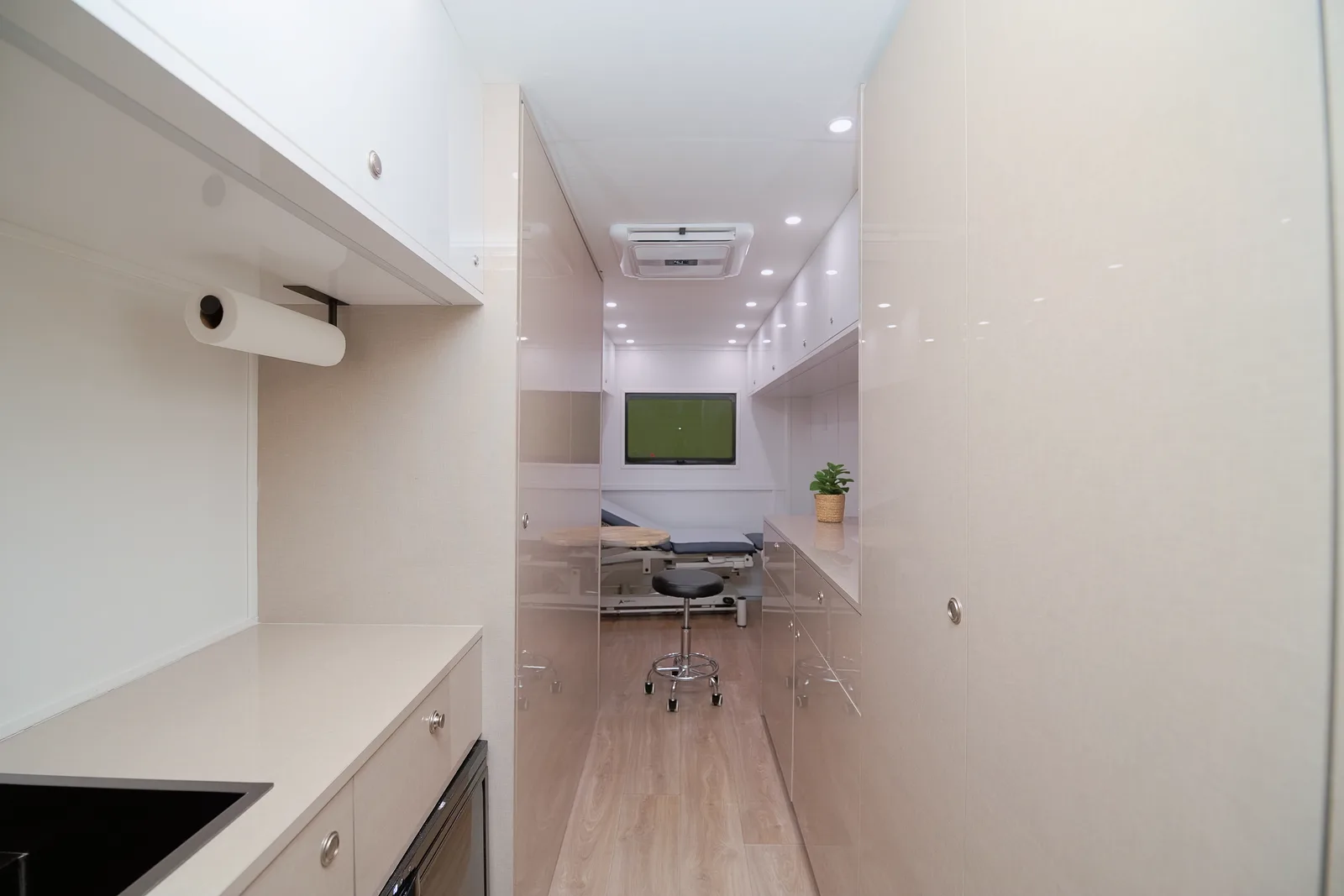
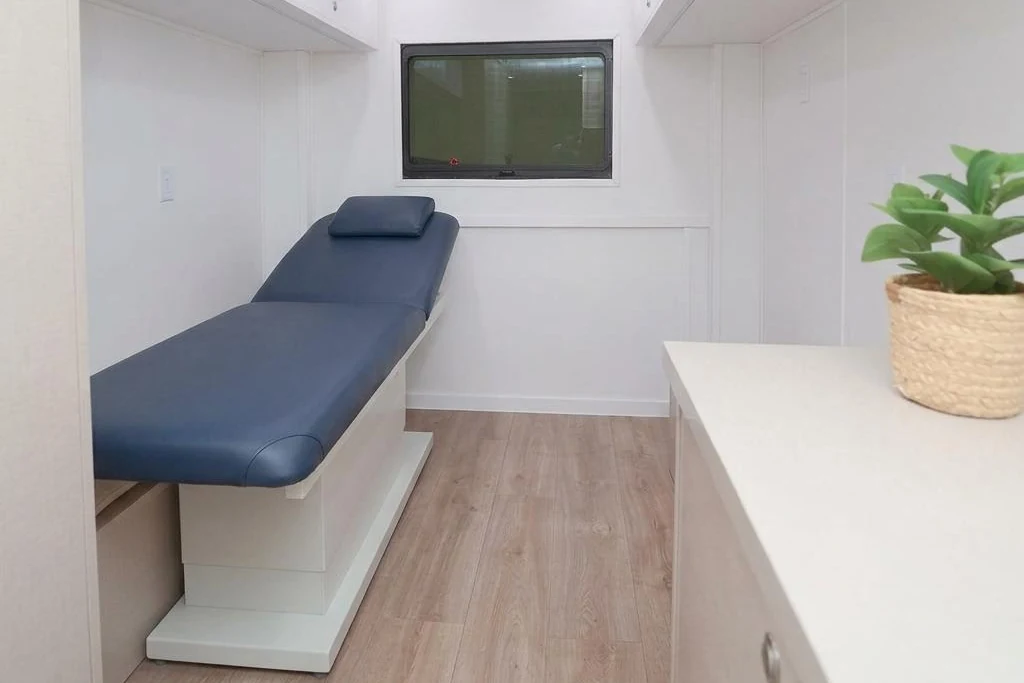
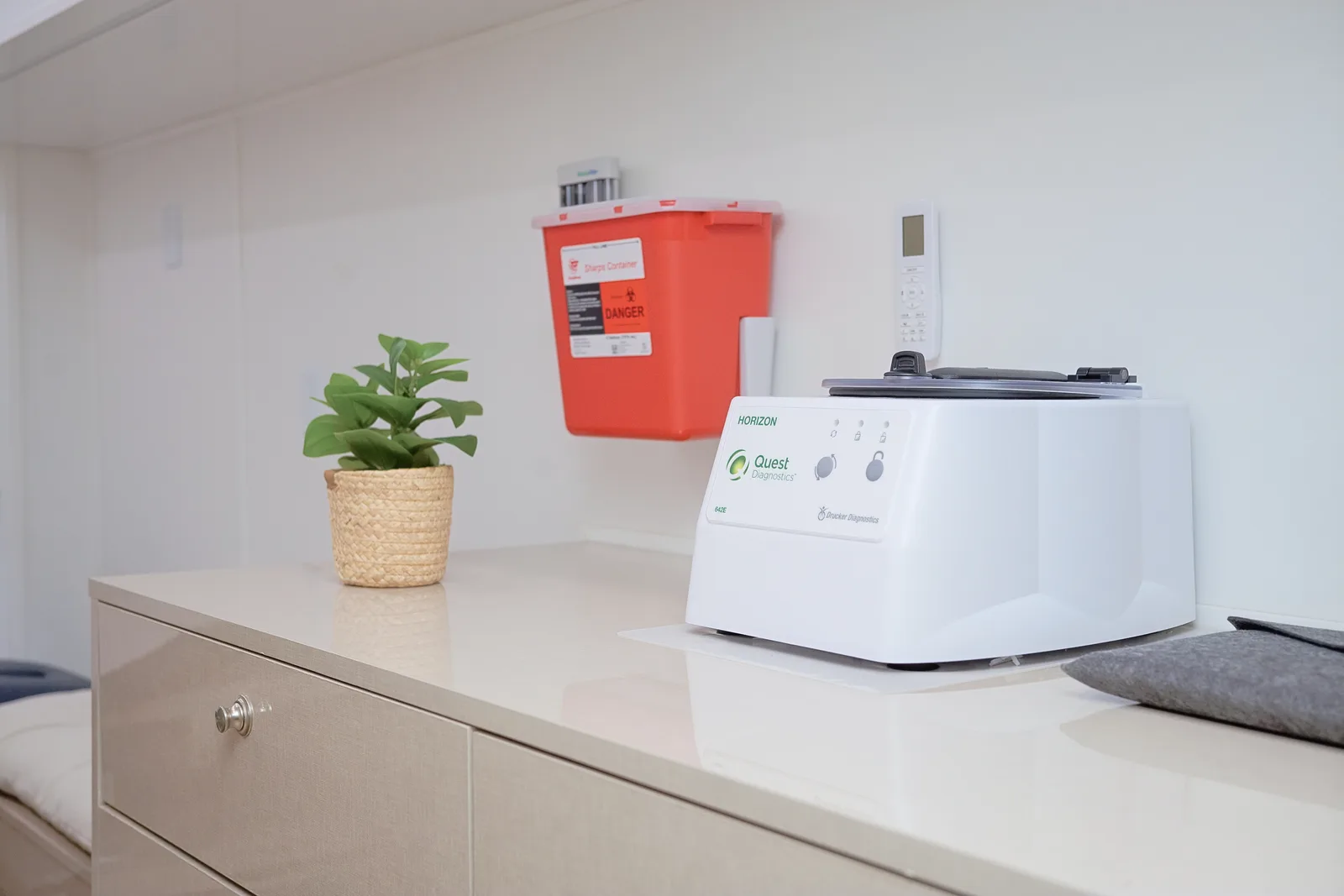
Private. Equipped.
At your door.
_1787238367952-d1mTKZIu.png)
Life in South Florida and Orlando moves fast. Between managing careers, families, social calendars, and the year-round pace that comes with living in one of the country's busiest regions, it's easy for women to put their own health last. But your body sends signals long before a crisis develops — and catching those signals early is exactly what proactive, personalized care is designed to do.
Whether you're in your 30s building a family, navigating perimenopause in your 50s, or well into your 60s and focused on staying vibrant, there are specific things worth keeping on your radar right now.
Your 30s: Building the Foundation
The 30s often feel like peak productivity — and physically, they can be. But this is also the decade when small imbalances start to show up, and the lifestyle habits you establish now set the tone for decades to come.
What to prioritize:
- Annual well-woman exams. Pap smears, breast exams, and a full physical give your doctor a baseline to measure against in future years.
- Thyroid screening. Thyroid issues are more common in women than many realize, and symptoms like fatigue, weight changes, and mood shifts are easy to dismiss as "just stress."
- Mental health check-ins. South Florida's high-achieving culture can mask anxiety and burnout. Don't wait until you're running on empty.
- Vitamin D levels. Ironically, despite all that Florida sunshine, vitamin D deficiency is remarkably common — especially in women who work indoors or use sunscreen consistently (as they should).
Your 40s: Listening More Closely
Hormonal shifts can begin well before a woman ever misses a period. Perimenopause — the transition phase leading up to menopause — can start in the early to mid-40s for many women, bringing with it irregular cycles, sleep disruptions, brain fog, and mood changes.
This is also a decade when cardiovascular risk quietly begins to rise, cholesterol levels can shift, and bone density starts to matter more than it did before.
Screening conversations to have with your doctor:
- Cholesterol and blood pressure trends
- Blood sugar and metabolic health
- Bone density baseline (especially with a family history of osteoporosis)
- Skin checks — Florida's UV exposure is among the highest in the country, and annual full-body skin exams are worth adding to your routine if you haven't already
- Mammography — talk with your physician about the timing that's right for your personal risk profile
The 40s are also a good time to revisit your relationship with sleep, alcohol, and stress. These aren't lectures — they're leverage points. Small adjustments now can dramatically change how your 50s feel.
Your 50s and Beyond: Thriving, Not Just Managing
Menopause is a natural transition, but that doesn't mean you have to white-knuckle your way through it. Hot flashes, sleep disruption, vaginal dryness, and shifts in libido are real symptoms with real treatment options. A good physician will take these seriously and work with you to find approaches — hormonal or non-hormonal — that fit your health history and preferences.
Beyond menopause management, this is the chapter where cardiovascular health, cognitive wellness, and bone strength move to center stage.
What tends to matter most:
- Heart health monitoring. After menopause, a woman's cardiovascular risk profile changes significantly. Regular blood pressure checks, lipid panels, and honest conversations about family history are essential.
- Bone density (DEXA scans). Bone loss accelerates in the years following menopause. Knowing your numbers lets you and your doctor get ahead of osteoporosis before a fracture becomes the wake-up call.
- Cognitive wellness. Memory concerns deserve to be taken seriously, not dismissed. Early conversations with your doctor about brain health — sleep, exercise, metabolic health, and screening — matter more than most people realize.
- Staying active in Florida's heat. Year-round outdoor living is one of South Florida and Orlando's great perks, but heat-related fatigue can masquerade as other issues. Hydration and activity timing matter.
The Case for Care That Comes to You
For many women, the biggest barrier to consistent healthcare isn't motivation — it's logistics. Coordinating appointments around work, family, and travel takes real effort. Sitting in a waiting room for 45 minutes after a 30-minute drive isn't anyone's idea of self-care.
Concierge and house-call medicine changes that equation. When your physician comes to you — at home, at your office, or even at your hotel during a business trip — it becomes significantly easier to stay consistent. And consistency, more than any single test or appointment, is what actually protects your long-term health.
PrimeCare VIP physicians are board-certified and come to you throughout Palm Beach, Broward, Miami-Dade, and the Orlando metro. If you've been meaning to get more proactive about your health — or if it's simply been too long since you had a thorough well-woman visit — this is a good moment to act on that intention.
Schedule a free consultation with PrimeCare VIP today and find out how personalized, at-your-door care can fit into your life. Your health is worth more than a rushed appointment.
