


Women's Health at Every Stage: What You Shouldn't Put Off
Private. Equipped.
At your door.
_1787238367952-d1mTKZIu.png)

Life moves fast in South Florida and Orlando. Between careers, families, travel, and the social calendar that never quite slows down, women in our communities are juggling more than ever. It's easy to put your own health at the bottom of the list — and even easier to talk yourself out of a doctor's appointment when getting there feels like its own part-time job.
But women's health isn't a category you can defer indefinitely. The good news: with the right support, staying on top of it doesn't have to be complicated or stressful.
Why Women's Health Deserves Its Own Conversation
Women's bodies change in ways that are significant, predictable, and — when caught early — very manageable. Hormones fluctuate across decades. Cardiovascular risk quietly shifts after menopause. Bone density begins to decline earlier than most women expect. Mental health, thyroid function, and autoimmune conditions all show up differently in women than in men.
Yet women are statistically more likely to dismiss their own symptoms, attribute fatigue or mood changes to stress, or simply wait too long before seeking care. A proactive approach — one built around prevention rather than reaction — changes that equation.
Key Health Priorities by Life Stage
In Your 20s and 30s
These decades feel invincible, which is exactly why they matter for building healthy habits.
- Annual well-woman exams — including Pap smears and, when appropriate, STI screenings — remain essential even when you feel completely fine.
- Establishing a baseline for blood pressure, cholesterol, thyroid function, and vitamin D levels gives your physician something meaningful to compare against in future years.
- Mental health check-ins matter here, too. Anxiety and depression peak in prevalence during these years and are still underdiagnosed in women.
- If you're planning a pregnancy — or actively trying — preconception counseling can make a real difference in outcomes.
In Your 40s
Perimenopause can begin earlier than most women expect, sometimes a full decade before the last menstrual period. Symptoms like irregular cycles, sleep disruption, brain fog, and mood shifts are often chalked up to stress or burnout — when the real driver is hormonal.
This is also the decade to get serious about:
- Mammography screening — guidelines vary, so this is a conversation worth having with your physician based on your personal and family history.
- Cardiovascular risk assessment — heart disease is the leading cause of death in women, and risk factors like blood pressure and cholesterol deserve close attention.
- Bone density awareness — especially for women with a family history of osteoporosis or those with low body weight.
In Your 50s and Beyond
Menopause is a milestone, not a decline. But it does shift your health priorities meaningfully.
Hormone replacement therapy (HRT) has evolved considerably, and the conversation around it is far more nuanced than it was a generation ago. Many women find it genuinely life-changing for managing hot flashes, sleep quality, mood, and vaginal health. Others choose non-hormonal approaches. What matters is that you have access to a physician who will actually sit with you, review your history, and help you decide — not hand you a pamphlet.
This stage also calls for:
- Bone density scans (DEXA) to establish your osteoporosis risk
- Colon cancer screening, which is often delayed by women who dread the prep more than the actual procedure
- Ongoing cardiovascular monitoring as risk rises steadily after menopause
- Eye and hearing health, which are frequently overlooked in comprehensive wellness planning
The South Florida Factor
Living in Miami-Dade, Broward, Palm Beach, or the Orlando area comes with its own health considerations. Year-round sun exposure — while enviable — means skin cancer vigilance is non-negotiable. Vitamin D levels, paradoxically, are often low even here, because heat drives people indoors during peak UV hours. High stress, a fast-paced social environment, and the quiet pressure to look and feel a certain way can also contribute to disordered eating patterns and anxiety that go unaddressed.
Our patient population is wonderfully diverse, and it's worth noting that certain health risks — including hypertension, diabetes, and specific cancers — present differently across ethnic backgrounds. A physician who knows you, your family history, and your lifestyle is your greatest asset.
Why House-Call Care Works So Well for Women
Let's be honest: scheduling a doctor's appointment, driving across town, finding parking, sitting in a waiting room, and rushing back to your day is a barrier. It's a real reason women skip preventive care.
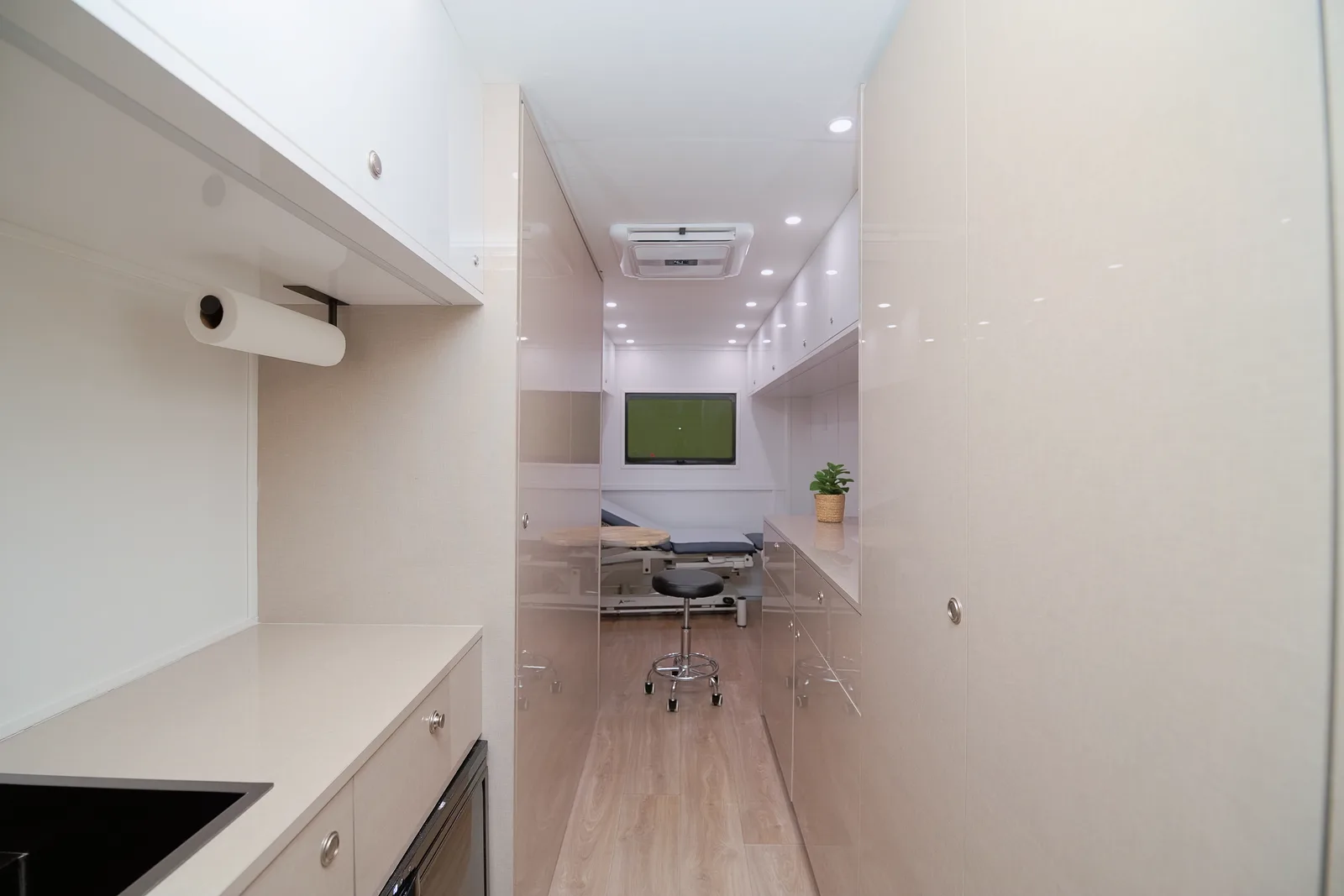
PrimeCare VIP eliminates that barrier entirely. Our board-certified physicians come to you — your home, your office, your hotel suite — at a time that fits your schedule. There's no waiting room, no rushed 10-minute slot, and no feeling like your questions are an inconvenience.
For women managing busy households, demanding careers, or caring for aging parents (often while doing both), that kind of access isn't a luxury. It's what actually makes consistent healthcare possible.
Ready to Make Your Health a Priority?
If it's been a while since you've had a thorough well-woman visit — or if you've been meaning to talk to a doctor about hormones, fatigue, or anything else you've been putting off — we'd love to help.
Schedule a free consultation with PrimeCare VIP today. Our physicians serve Palm Beach, Broward, Miami-Dade, and the Orlando metro, and we'll come to you.
