


Women's Health at Every Stage: What You Shouldn't Put Off
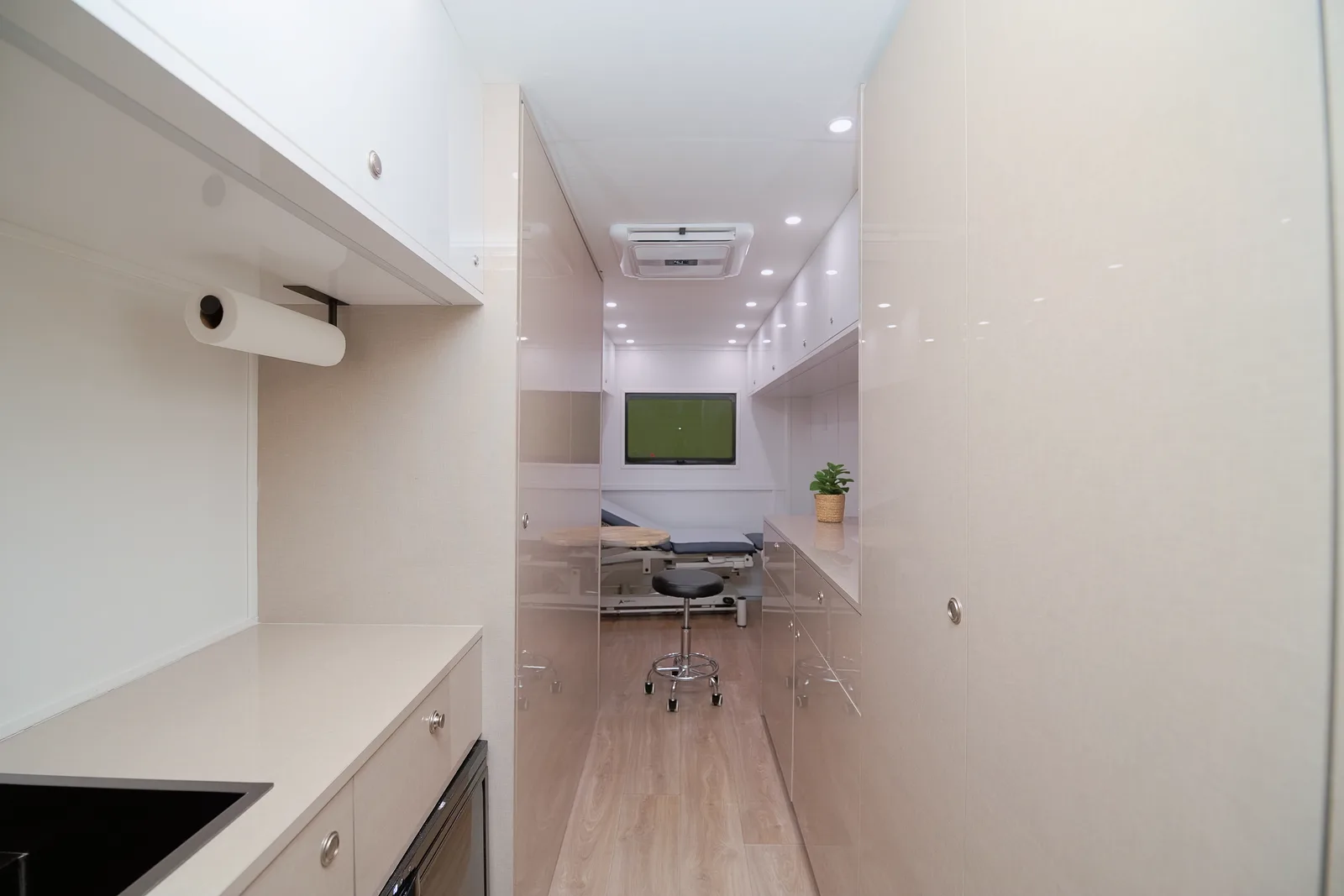
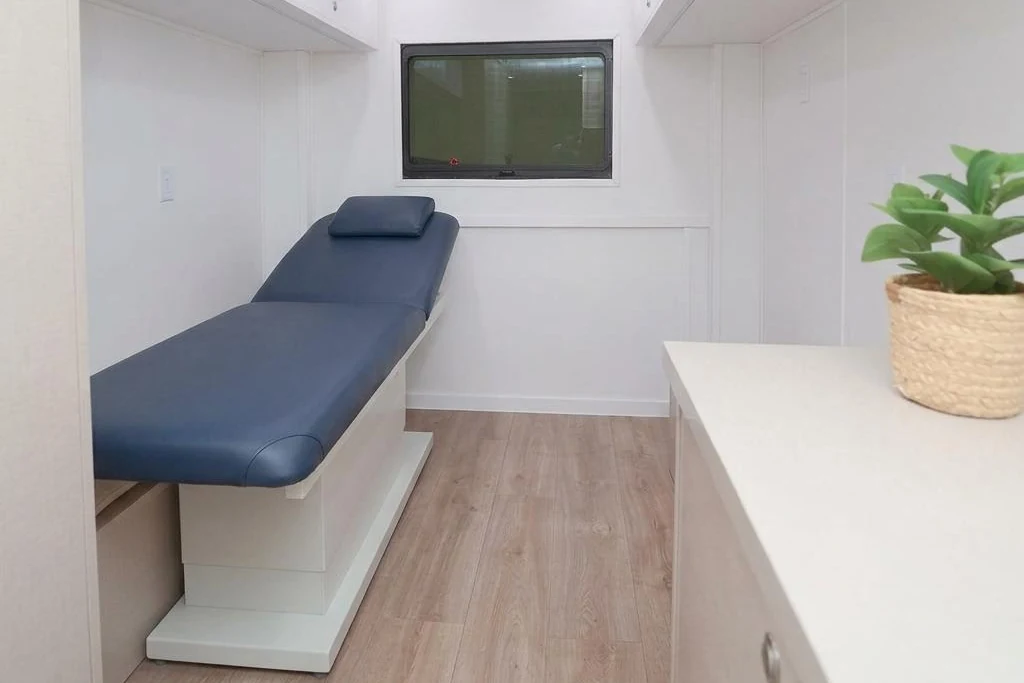
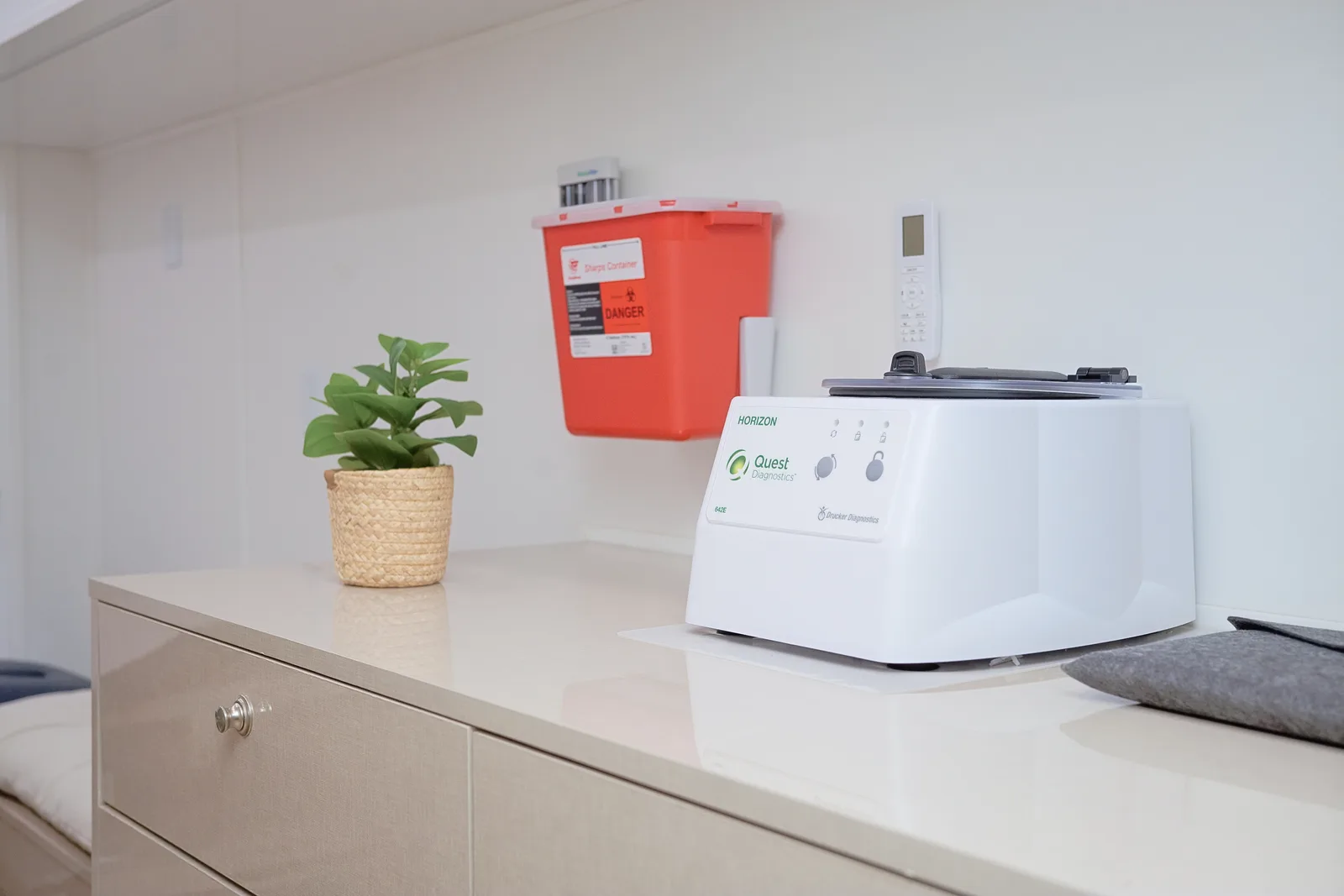
Private. Equipped.
At your door.
_1787238367952-d1mTKZIu.png)
Life moves fast in South Florida. Between managing careers, families, social calendars, and the year-round outdoor pace that comes with living in Palm Beach, Broward, Miami-Dade, or Orlando, it's remarkably easy for women to put their own health last. A check-up gets postponed. A nagging symptom gets rationalized away. Before long, months turn into years.
At PrimeCare VIP, we see this pattern often — and we're here to help break it. Good preventive care isn't a luxury. For women, it's the foundation of everything else.
Why Women's Health Deserves a Dedicated Focus
Women's bodies change across a lifetime in ways that are genuinely complex — puberty, reproductive years, pregnancy, perimenopause, menopause, and beyond. Each phase carries its own set of priorities, risks, and questions. The mistake many women make is treating health care as reactive: only seeking help when something goes wrong.
The better approach is proactive and personal. That means a physician who actually knows you — your history, your stress levels, your family background, your lifestyle — and checks in regularly rather than seeing you as a stranger every few years.
Key Health Areas Women Should Monitor Closely
Heart Health
Heart disease is the leading cause of death among women, yet it's still widely perceived as a "man's issue." Women's symptoms of cardiac problems can look different from men's — fatigue, nausea, jaw discomfort, or shortness of breath rather than the classic chest-clutching presentation. Annual blood pressure checks, cholesterol panels, and honest conversations about family history are non-negotiable.
South Florida's heat and humidity also place additional stress on the cardiovascular system, especially for women who are physically active outdoors year-round. Staying hydrated and knowing your baseline numbers matters more than most people realize.
Hormonal Changes and Menopause
Perimenopause — the transitional phase before periods stop — can begin as early as the late 30s or early 40s. Symptoms like disrupted sleep, mood shifts, irregular cycles, and brain fog often get chalked up to stress or aging. They shouldn't be dismissed.
Menopause itself deserves an open, judgment-free conversation with your physician. Options for managing symptoms have evolved considerably, and the right approach is highly individual. There is no one-size-fits-all answer, which is exactly why the relationship with your doctor matters so much.
Bone Health
Women lose bone density more rapidly than men, particularly in the years immediately following menopause. Vitamin D deficiency is surprisingly common even in sunny Florida — because most people are indoors, in cars, or wearing sunscreen during peak hours. Ask your doctor about your vitamin D levels and whether a bone density screening makes sense for your age and risk profile.
Mental and Emotional Well-Being
Women are diagnosed with anxiety and depression at higher rates than men, and hormonal fluctuations throughout life — including postpartum periods — can amplify vulnerability. Mental health is health. It belongs in your annual wellness conversation as naturally as blood pressure or cholesterol.
Orlando and South Florida's fast-paced, high-expectation cultures can quietly fuel chronic stress. Acknowledging that and building in support — whether that's therapy, lifestyle changes, or medical guidance — is a sign of strength, not weakness.
Cancer Screenings
Staying current on screenings is one of the highest-return investments a woman can make in her health:
- Mammograms — guidelines vary based on age and personal risk; your physician can help you decide when to start and how often.
- Pap smears and HPV testing — cervical cancer is largely preventable with regular screening.
- Skin cancer checks — living in Florida means significant lifetime UV exposure. Annual full-body skin exams are especially important here.
- Colorectal screening — often overlooked by women but equally important starting at the appropriate age.
The Convenience Factor — And Why It Matters for Women
One of the most consistent things we hear from female patients is that getting to a doctor's office is genuinely hard. The scheduling, the waiting, the time away from work or children — it adds up, and it becomes a reason to delay care.
Concierge house-call medicine removes that friction entirely. A PrimeCare VIP physician comes to you — your home in Coral Gables, your office in Boca Raton, your hotel suite in Orlando — at a time that works for your life. Appointments are unhurried. Your doctor knows your name before they walk through the door.
For busy women managing demanding schedules, that model isn't just convenient. It's the difference between care that actually happens and care that keeps getting pushed to next month.
Take the First Step Toward Proactive Care
If it's been a while since you had a thorough wellness visit — or if you've never had a physician who truly takes the time to understand your full picture — now is a good moment to change that.
We invite you to schedule a complimentary consultation with a PrimeCare VIP physician. Come as you are, with whatever questions you've been sitting on. There's no obligation, and there's no better time than today to make your health a priority.
