


Women's Health at Every Stage: What You Shouldn't Put Off
Private. Equipped.
At your door.
_1787238367952-d1mTKZIu.png)

Life moves fast when you're managing a career, a household, travel, and everything in between. For many women in South Florida and the Orlando metro, personal health quietly slides to the bottom of the to-do list — not because it isn't valued, but because there simply isn't time. The good news: staying on top of your health doesn't have to mean sitting in a waiting room for two hours. It starts with knowing what to pay attention to, and when.
Your Body Changes Decade by Decade — Your Care Should Too
Women's health isn't a single conversation. It's an evolving one that shifts with every life stage. What your body needs at 35 looks very different from what it needs at 50 or 65. Understanding those shifts is the first step toward feeling your best, year after year.
In Your 30s and 40s
This is often the decade of "I'll get to it eventually." Busy careers, young children, aging parents — the demands are real. But this is also the window when small, consistent habits pay the biggest dividends later.
- Preventive screenings: Mammograms, Pap smears, and blood pressure checks should be part of your routine. Talk with your doctor about the right schedule for your personal and family history.
- Thyroid function: Thyroid issues are more common in women than most people realize, and symptoms — fatigue, weight changes, mood shifts — are easy to brush off as stress.
- Mental health: Anxiety and depression affect women at higher rates than men, and the pressures of South Florida's fast-paced lifestyle don't help. Honest conversations with your physician matter.
- Bone health foundation: Calcium and vitamin D habits established now protect you later. Florida sunshine helps, but it's not the whole picture.
Perimenopause and Menopause: The Conversation You Deserve to Have
Perimenopause can begin years before your last period, and many women are surprised by how wide-ranging the symptoms can be — irregular cycles, sleep disruption, brain fog, mood changes, and yes, hot flashes. In South Florida's humid heat, those symptoms can feel especially relentless.
Menopause itself is a natural transition, not a medical problem. But that doesn't mean you have to simply endure what comes with it. Today there are more thoughtful, individualized options than ever — from lifestyle adjustments to hormone therapy conversations — and the right approach depends entirely on your health history, preferences, and goals.
What matters most is having a physician who listens without rushing you.
Heart Health: The Risk Women Often Underestimate
Heart disease is the leading cause of death among women, yet it remains under-recognized in this population. Women's symptoms of heart trouble can look different from the "classic" presentation most people picture — more likely to include fatigue, nausea, or jaw pain than dramatic chest pressure.
Regular blood pressure monitoring, cholesterol checks, and honest discussion about your family history are non-negotiable at every stage. If you're postmenopausal, this conversation becomes even more important.
The Unique Pressures of Life in South Florida and Orlando
Our region has its own health context worth acknowledging.
- Sun exposure is a daily reality here, which means skin checks and sun-protection habits are genuinely important, not optional extras.
- Active social lives and travel — from Palm Beach galas to international business trips out of Miami — can make it harder to maintain consistent routines around sleep, nutrition, and stress.
- The culture of looking and feeling well is strong in this area, which can be motivating. But it can also mean women push through symptoms rather than address them — not wanting to seem like they're struggling.
- Seasonal residents and frequent travelers often fall through the cracks of traditional primary care, missing follow-ups or losing continuity with their doctors.
Practical Steps That Make a Real Difference
You don't need a complicated wellness overhaul to move the needle on your health. A few consistent habits carry real weight:
- Prioritize sleep — seven to eight hours isn't a luxury, it's maintenance
- Stay hydrated, especially in Florida's heat
- Schedule screenings before you feel like you need them
- Don't normalize symptoms — fatigue, pain, and mood changes are data points, not character flaws
- Build a relationship with a physician who knows your full picture, not just your acute concerns
Care That Comes to You
One of the most common things we hear from women patients is this: "I knew something was off, but I kept putting the appointment off." Often, the barrier isn't motivation — it's time and access.
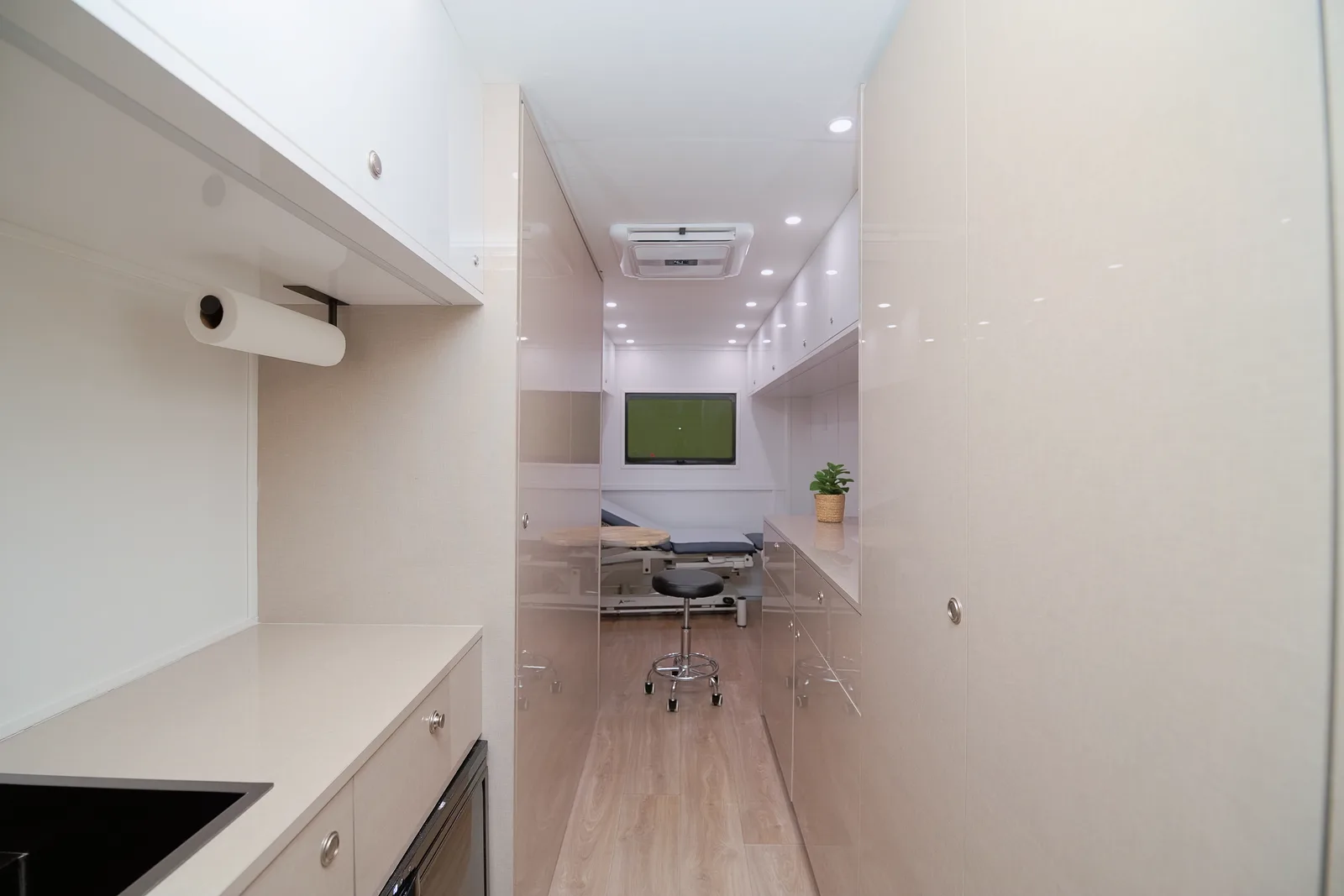
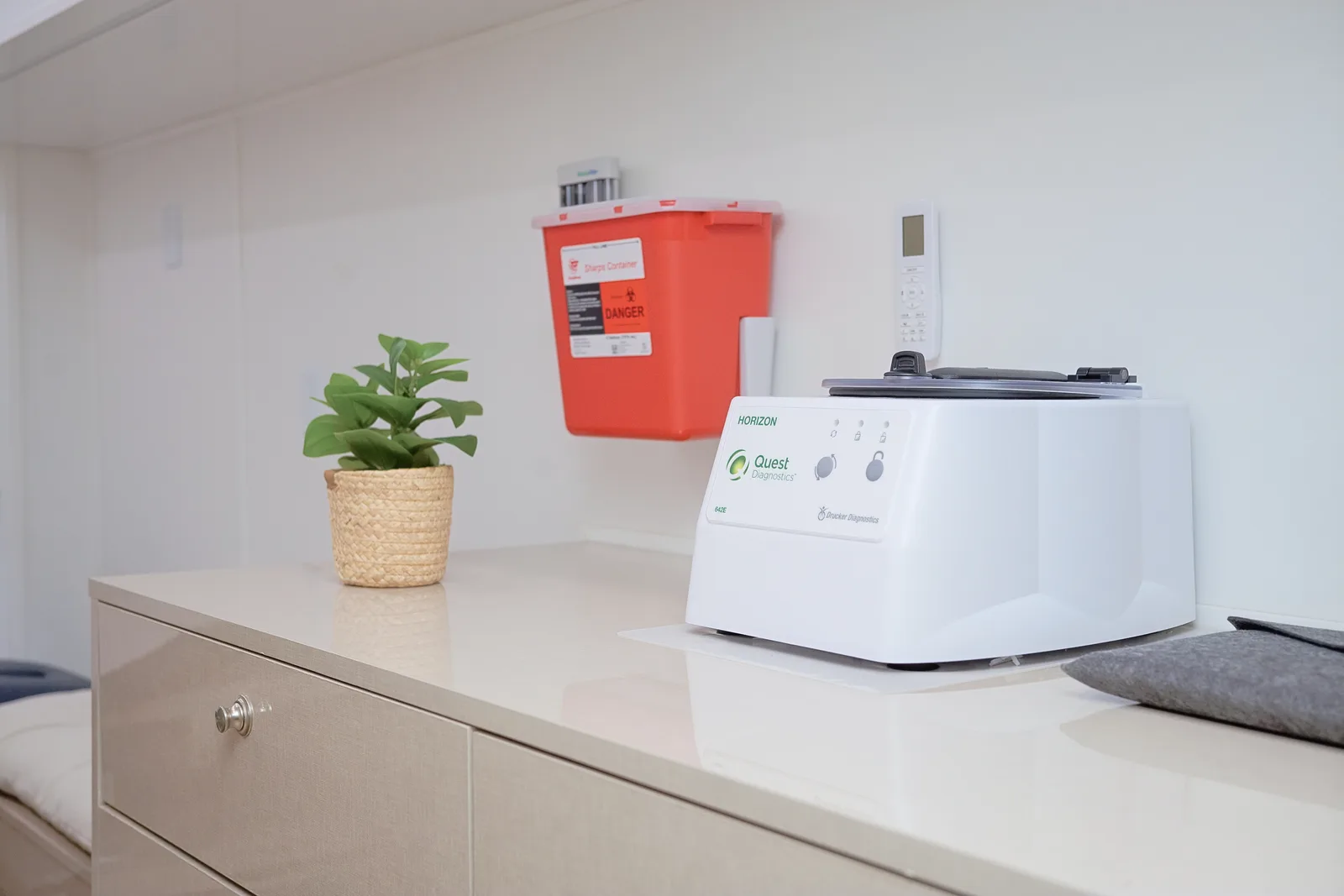
At PrimeCare VIP, our board-certified physicians come to you — at your home, your office, or your hotel — across Palm Beach, Broward, Miami-Dade, and the Orlando area. There's no waiting room, no rushed visit, and no feeling like a number on a chart. Just a real conversation with a doctor who has the time to actually listen.
If it's been a while since you've had a thorough health conversation — or if something has been nagging at you — we'd love to help. Reach out to schedule a complimentary consultation with one of our physicians. Your health is worth that hour.
