

Pediatric Sick Visits at Home: When to Call vs. Come In
Private. Equipped.
At your door.
_1787238367952-d1mTKZIu.png)
TL;DR Most pediatric sick visits don't need an emergency room — but a few do. The American Academy of Pediatrics has clear guidance on which symptoms warrant a same-day visit, which can wait, and which mean "go now." Prime Care VIP brings same-day pediatric house calls to your home, often eliminating the call-vs-come-in debate entirely.
In This Article
- The Sick-Visit Decision Most Parents Get Wrong
- Symptoms That Mean "Call Today"
- Symptoms That Can Usually Wait 24–48 Hours
- Red Flags — Go to the ER Now
- Fever: Read the Numbers, Not the Number
- Why House Calls Change the Math for Sick Kids
- What a Pediatric House Call Visit Includes
The Sick-Visit Decision Most Parents Get Wrong
It's 9 p.m. Your four-year-old has a 102°F fever, a barky cough, and is dragging a stuffed rabbit through the hallway. Do you call the on-call line? Drive to urgent care? Wait until morning?
The American Academy of Pediatrics publishes detailed guidance on this exact question, and the answer depends less on the specific symptom and more on a small set of "concerning together" patterns. Most parents, sleep-deprived and worried, default to the emergency room — where the average pediatric visit costs $620 out of pocket, exposes a sick child to dozens of other germs, and ends with the same advice they'd have gotten at home: rest, fluids, fever reducer, watch for changes.
Knowing what actually warrants escalation is the parenting skill no one teaches you in advance.
Symptoms That Mean "Call Today"
A same-day call (or telehealth/house call visit) is appropriate for: fever above 102°F lasting more than 24 hours, ear pain, sore throat with fever, persistent cough, vomiting more than twice in a few hours, mild rash with no other symptoms, suspected pink eye, and any wound that may need stitches but isn't actively bleeding heavily.
These don't require an ER, but they shouldn't wait three weeks for the next available appointment slot, either. This is exactly the gap where traditional pediatric scheduling fails parents — and where same-day primary care or a house call solves the problem in a single visit. This is a key reason why concierge medicine is a better fit for families.
Symptoms That Can Usually Wait 24–48 Hours
Many concerns that feel urgent at 8 p.m. look very different at 8 a.m. A low-grade fever (under 100.4°F) in a child who is otherwise eating and acting normally, a runny nose, a mild cough without trouble breathing, occasional spit-up in an otherwise content baby, a few loose stools without dehydration signs, mild diaper rash, and minor scrapes can usually wait for a routine next-day call.
The reassuring rule of thumb pediatricians use: how does the child act? An alert, smiling, drinking child with a fever is usually fine to monitor. A floppy, pale, refusing-fluids child needs to be seen — even with a normal temperature.
Red Flags — Go to the ER Now
Don't call. Don't wait. Go now if your child has: difficulty breathing, blue lips or fingernails, persistent severe headache with fever, stiff neck, seizure, unresponsiveness or extreme lethargy, signs of severe dehydration (no wet diapers in 8+ hours, sunken eyes, no tears), a purple or pinpoint rash that doesn't blanch when you press it, severe abdominal pain especially with a fever, or a high fever in an infant under 3 months.
These can indicate meningitis, sepsis, severe respiratory distress, or other true emergencies. The hospital is the right place — and you should never feel embarrassed to call 911 if something feels seriously wrong.
Fever: Read the Numbers, Not the Number
Fever is the symptom parents worry about most and pediatricians worry about least. Fever is the body's normal immune response — the height of the fever doesn't correlate with the severity of the illness in most cases. A child with strep throat may run 104°F. A child with serious bacterial sepsis may run only 100°F.
What matters is age, duration, and behavior. AAP guidance: any fever in an infant under 3 months is an automatic medical evaluation. For older children, persistent fever beyond 3 days, fever above 104°F, or fever paired with the red-flag symptoms above warrants prompt care. Otherwise, focus on hydration, comfort, and watching for changes.
Why House Calls Change the Math for Sick Kids
Bringing a sick child anywhere — pediatrician's office, urgent care, ER — has costs beyond money. Sick kids in waiting rooms get sicker. Parents miss work. Other kids get exposed. The visit itself is often the most stressful part of the illness.
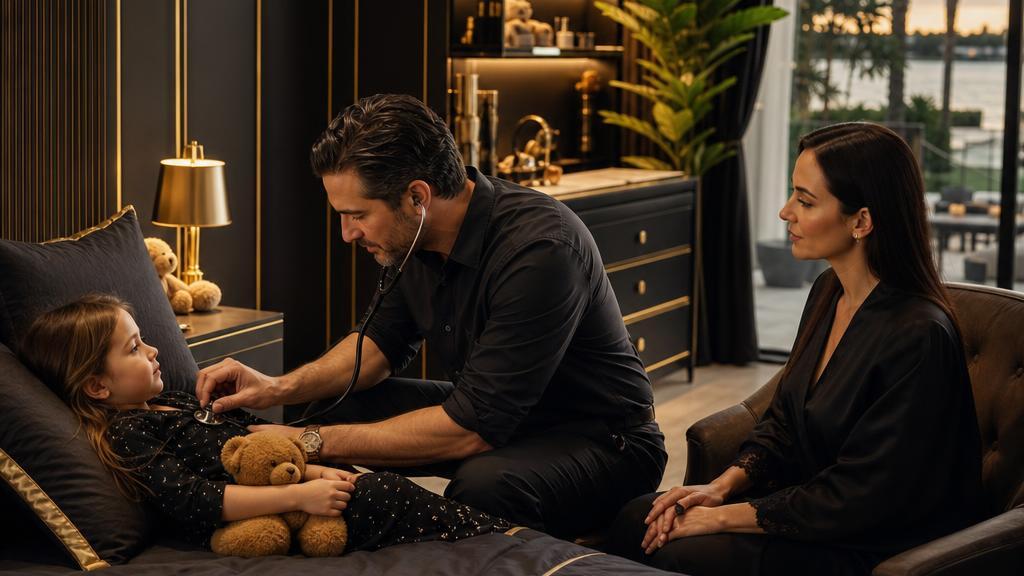
A house call removes all of it. Your child stays in their pajamas, on the couch, with their stuffed animals. The clinician comes to them, performs the same exam they'd perform in an office, can swab for strep or flu on the spot, and writes any needed prescription before they leave. No waiting room, no contagion exchange, no logistical scramble.
What a Pediatric House Call Visit Includes
A Prime Care VIP pediatric house call is a complete sick-visit assessment: full physical exam, vital signs, throat and ear inspection, lung auscultation, hydration check, and any indicated rapid testing (strep, flu, RSV, COVID). If antibiotics or supportive medications are needed, prescriptions are sent directly to your pharmacy — or, in some cases, dispensed on the spot.
For families with young children, our membership covers same-day pediatric house calls across South Florida and Orlando. If you're tired of the urgent-care shuffle, we'd love to introduce you to a different way to handle sick days.
